

The Quiet Revolution: Office Pods in Hybrid Workplaces
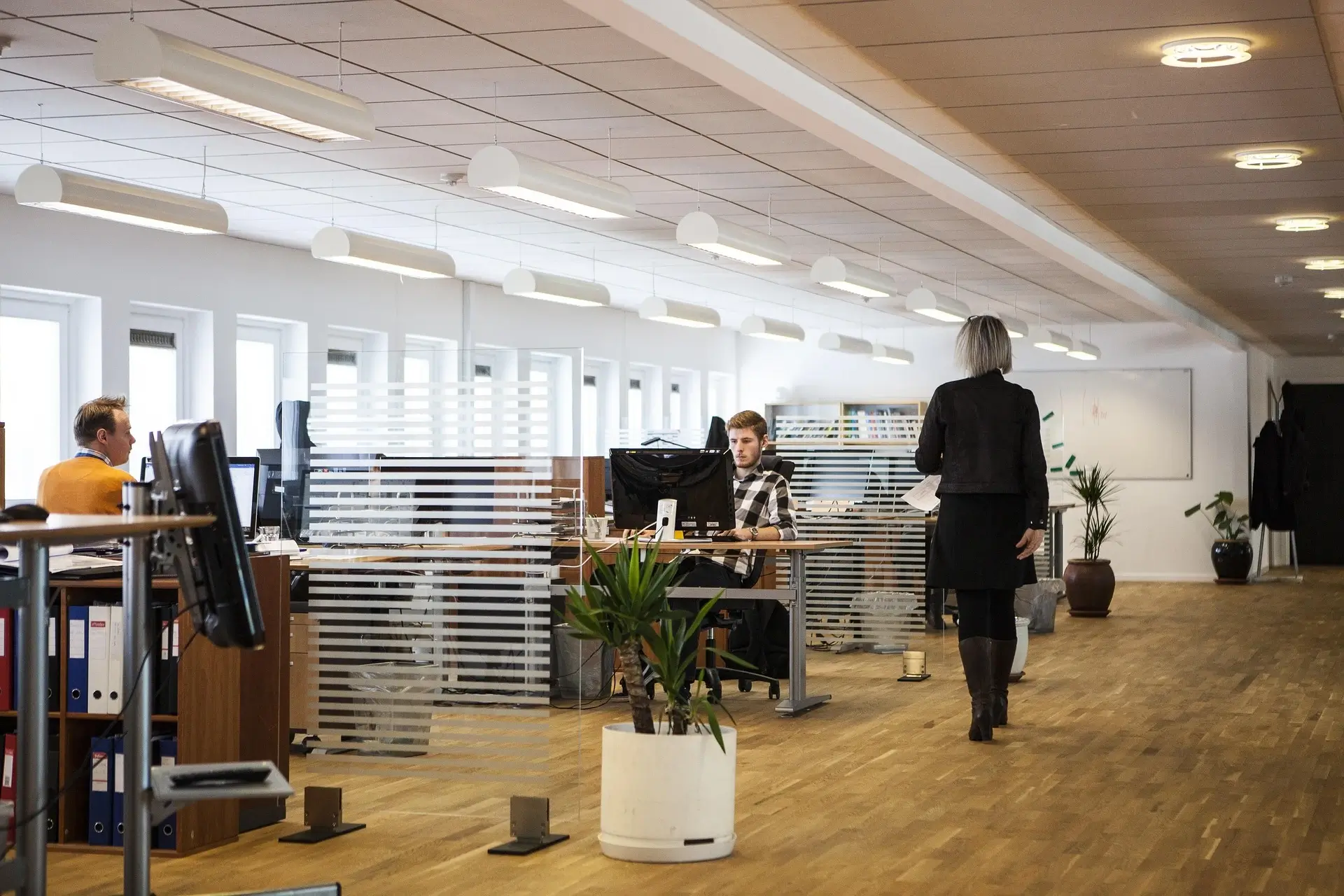
In the shifting landscape of modern work — where remote, in-office, and hybrid models co-exist — traditional open-plan offices often struggle to meet evolving needs. Noise distractions, lack of privacy, and an environment that feels either too rigid or too chaotic can work against productivity. That’s why we at Modula Interiors have seen a surge in companies turning to office pods as a versatile, human-centered solution.
Office pods — self-contained, modular workspaces installed within larger offices — offer a sweet spot between privacy and flexibility. Over the years, I’ve watched firsthand how integrating pods transforms the feel and function of a workplace: from noise-heavy open floors to calm, dynamic spaces where teams collaborate, focus, or meet quietly — all within the same square footage.
In this article, I’ll walk you through why office pod installation is becoming a go-to investment for hybrid workplaces. I’ll dive deep into tangible benefits, strategic insights, and best practices — giving you a clear roadmap for upgrading your space with confidence.
Why Office Pods Are Ideal for Hybrid Work
1. Balance Between Openness and Privacy
Hybrid work thrives on flexibility. Some days employees collaborate, brainstorm, or socialize; other days they need quiet focus for deep work or confidential discussions. With a traditional open floor plan, achieving that balance is tough.
Office pods deliver:
- Private pockets for deep work or sensitive calls — pods give employees a sound-shielded space where they can focus or have confidential conversations without disturbing others.
- Maintain overall openness — unlike building permanent walls or separate rooms, pods preserve the flexibility and visual flow of the office. You avoid the claustrophobic feel of too many enclosed rooms while still offering privacy.
- Quick adaptability — as teams shrink or expand, pods can be relocated or rearranged more easily than traditional walls or constructions.
This flexibility is especially important for hybrid teams: whether only half your workforce is in-office on a given day, you don’t want wasted space or awkward empty rooms. Pods scale fluidly with use.
2. Improved Acoustic Control and Focus
Noise remains one of the biggest complaints in open-plan offices — impacting concentration, stress levels, and overall productivity. Office pods, with acoustically treated walls and ceilings, dramatically reduce background noise.
Inside a well-designed pod:
- Sound from adjacent desks or communal areas is dampened, allowing for uninterrupted focus.
- Confidential phone or video calls remain private, preventing accidental eavesdropping.
- Multiple work styles are accommodated simultaneously: one pod could host a quiet research session, while a nearby open bench area remains active with collaborative energy.
The result? A calmer, more controlled work environment — ideal for deep work sprints or private meetings, without sacrificing the energy of team collaboration elsewhere.
3. Boosted Productivity and Employee Well-being
When people have control over how and where they work, productivity and satisfaction tend to rise. Office pods give employees autonomy: choose a pod for solo work, then step out for a team huddle. This flexibility fosters a sense of empowerment and supports diverse working styles.
Some of the well-observed benefits:
- Fewer interruptions — less background noise and no unexpected walk-ins means deep work becomes feasible.
- Lower stress levels — employees feel they have a “space of their own” even within a shared office, which reduces the mental fatigue associated with constant stimuli.
- Better work–life dynamics — for hybrid workers toggling between home and office, a quiet pod mimics the solitude of a home office — but with access to resources and collaboration when needed.
Over time, that translates to fewer distractions, steadier productivity cycles, and a healthier office vibe.
4. Versatility: From Solo Focus to Collaborative Huddles
One of the strengths of office pods is how multifunctional they are. With clever design and flexible interior outfitting, a pod can serve many roles:
- Focus booths for quiet individual work or video calls.
- Mini meeting rooms for small-group brainstorming sessions or client calls.
- Private phone/video call stations — great for hybrid settings where remote participants may join from the office.
- Creative corners — a bean-bag–filled pod for relaxed brainstorming or informal discussions.
This multipurpose potential makes pods particularly attractive for agile hybrid workplaces, where space and use patterns shift frequently.
5. Space Efficiency — Make Every Square Foot Count
Office real estate is expensive — and wasting space because of fixed meeting rooms sitting empty is a poor return on investment. Pods offer a path to better space utilization.
Compared with conventional meeting rooms:
- Pods typically take up less floor space while providing the same functionality.
- Their modular nature allows them to be reclaimed or relocated as needed — if a project winds down, the pod doesn’t have to sit unused.
- Companies can avoid expensive build-outs for dedicated rooms.
You get more functional “rooms” per square foot, and you minimize dead space — a win for cost-efficiency and spatial flexibility.
6. Easier Implementation — Less Disruption, Lower Cost
Traditional construction for new offices (walls, wiring, HVAC changes) is often disruptive, time-consuming, and expensive. Office pods, by contrast, are designed for minimally invasive installation. Typically:
- They arrive as prefabricated units and can be assembled in days, not weeks.
- They don’t require heavy-duty renovation — no structural changes, often minimal electrical/plumbing work.
- Office operations can continue around the installation, minimizing downtime.
For businesses operating on tight schedules or working around employees’ calendars, this ease of deployment is a huge plus.
7. Enhanced Aesthetics and Modern Workplace Branding
Pods aren’t just functional — they also signal a commitment to modern, flexible, employee-centric design. Installing sleek, well-crafted pods communicates: “We value both collaboration and individual focus.”
For companies looking to attract talent, especially among younger professionals who value work-life balance and workspace quality, pods help show that the office is more than just desks and cubicles — it’s a dynamic, smartly designed environment.
At Modula Interiors, we’ve seen that well-designed pods often become talking points among staff: they don’t just improve utility — they contribute to company culture and brand identity.
Smart Deployment: Best Practices and Key Considerations
While the benefits are clear, successful pod installation requires thoughtful planning. Here are some of the lessons we consistently apply when advising clients:
A. Think Through Use-Cases Before Choosing Pod Types
All pods are not created equal; their effectiveness depends on how they’re used. Begin by mapping out typical office activities:
- Are people mostly working individually, or collaborating in small teams?
- Do you need many small quiet spaces, or fewer larger meeting pods?
- Will pods mainly be for focus work, or also for video calls and hybrid meetings?
From that insight, you can choose the right pod model — from single-person acoustic booths to 4–6 person mini-meeting pods. Picking the wrong type can leave pods underused or create bottlenecks.
B. Consider Airflow, Lighting, and Ergonomics
Pods should not feel like cramped closets. Good design carefully integrates:
- Ventilation — enough airflow so occupants don’t feel stuffy, especially if used frequently.
- Lighting — ideally, adjustable lighting so pods can serve for both screen-based work and whiteboard brainstorming.
- Ergonomics — desks, chairs, and internal layout should support comfort during extended sessions.
At design level, factoring these elements ensures pods add value instead of becoming underused or uncomfortable zones.
C. Layout Strategy — Blend Open, Semi-Open, and Pod Spaces
A successful hybrid office layout often blends three zones:
- Open collaboration zones — for social interaction, spontaneous brainstorming, informal meetups.
- Semi-open areas — benching, hot desks, flexible workstations.
- Pods and enclosed spaces — for privacy-critical work, meetings, or concentrated focus.
Striking the right balance depends on team size, work style, and company culture. Overemphasis on pods may create a cubicle-like feel; underemphasis leaves employees exposed to distractions.
D. Adopt a Phased Rollout Approach
If you’re redesigning an existing office, doing it all at once can be risky. Instead, consider:
- Pilot installation — deploy a few pods in a section to test usage, gather feedback, and adjust layout or pod types.
- Measure utilization and feedback — see which pods are used most, which stay empty, and whether employees feel the environment improved.
- Scale incrementally — based on real usage data. This helps avoid wasted expense and ensures adoption.
E. Communicate with Employees — It’s a Cultural Shift, Not Just Furniture
When introducing pods, treat it as more than buying furniture. It’s a shift in how people relate to workspace. Communicate:
- Why you’re adding pods — emphasis on flexibility, focus, and privacy.
- How you expect usage to evolve — encourage people to use pods for calls or deep focus, and open zones for collaboration.
- Solicit feedback, and be ready to iterate. Maybe a pod needs whiteboard walls, or more ventilation — adjust early.
This clarity helps prevent pods from being underused or misused.
Real-World Impact: What We’ve Seen at Modula Interiors
Over multiple office redesign projects, implementing pods has yielded tangible improvements — and not just in aesthetics. Here are recurring positive trends we’ve observed:
- Reduced noise complaints and distractions — employees report fewer interruptions, especially during phone calls or deep-work blocks.
- Improved meeting etiquette — using pods for calls limits disruptions in open zones; meetings feel more professional, especially when clients or external collaborators join.
- Better space utilization — companies reclaim square footage previously reserved for large but underused meeting rooms, or avoid adding awkward partitions.
- Higher employee satisfaction — people appreciate having a “choice” in where to work: open zones for collaboration, pods for focus. It often becomes a subtle perk in recruitment or retention conversations.
- Faster office reconfiguration when teams grow or shrink — pods get relocated or removed without costly renovation.
One client even reported a 15% uptick in combined focus-time and collaborative time after pods were installed — simply because people had the right spaces for each mode.
Addressing Common Concerns and Objections
Not everyone is immediately sold on pods — and as with any workplace investment, there are skeptics. Here are some common concerns we hear, and how to address them:
“Pods will make the office feel too segmented, like cubicles.”
That can happen — if pods are overused or improperly distributed. The remedy: maintain a balance. Keep open and semi-open zones as the primary “public” areas, and use pods sparingly for specific needs.
“We don’t have enough space.”
Pods come in various sizes. For small teams or limited floor space, single-person acoustic pods or slim two-person focus pods often suffice — offering privacy without hogging real estate.
“Pods will be underused.”
This tends to happen in offices where the need for private work or calls is minimal. To mitigate: start with a pilot pod deployment, invite feedback, and observe usage patterns over a few months. Adjust layout or convert pods as needed.
“Pods are expensive.”
It’s true — high-quality pods are an investment. But compared with the cost and disruption of building permanent meeting rooms or expanding office space, pods often pay off quickly. When you factor in improved productivity, better space utilization, and lower renovation costs, the ROI is often compelling.
Future-Ready Workplaces: Why Office Pods Are a Long-Term Strategy
The hybrid model is evolving — and so are the challenges. Many businesses are adapting to changing team sizes, remote-to-office ratios, hot-desking, and hybrid meeting norms. Pods offer enduring value in such a climate:
- As remote work fluctuates, pods can be repurposed (e.g., from focus booths to interview rooms or call booths).
- They support split schedules and rotating desks by offering flexible private spaces — no need for assigned rooms.
- Pods encourage better meeting hygiene and sound-conscious behaviour, which becomes important as video calls and hybrid meetings become routine.
Moreover, with rising awareness about employee well-being and workspace comfort, pods signal that a company cares about both productivity and mental health.
In short: pods are not a trend — they’re an investment in future-proofing your workplace.
Making It Work: Steps to Implement Pods Successfully
If you’re ready to install office pods, here’s a streamlined roadmap we recommend — drawn from our own project experience:
- Assess your current workspace needs. Audit how people work, where they collaborate, what distractions exist, and where privacy is needed.
- Gather usage data. Track phone/video calls, deep focus work, and meeting frequency — this helps set pod quantity and types.
- Select pod models that match your use-case. Single-person acoustic pods, two-person focus pods, or multi-person mini-meeting pods.
- Plan layout deliberately. Balance open, semi-open, and pod zones. Ensure accessibility, ventilation, lighting, and scale.
- Roll out via a pilot phase. Install a few pods first, monitor usage, collect feedback.
- Iterate and expand. Adjust based on real behavior — add, remove, or reposition pods according to patterns.
- Communicate with staff. Explain purpose, encourage appropriate use, and welcome feedback.
By following this process, you maximize adoption and ensure pods genuinely improve workflow — rather than becoming under-loved furniture.
Why Modula Interiors Leads This Trend
At Modula Interiors, we’ve witnessed firsthand how office pods change the dynamics of hybrid workplaces. We don’t just supply pods — we help companies integrate them thoughtfully.
We consult on:
- the right mix of pod types for your team sizes and work styles,
- optimal layout to balance noise, privacy, and flow,
- ergonomics, ventilation, lighting, and future flexibility.
Through our approach, many clients have seen not just aesthetic improvement, but real operational gains: higher productivity, fewer distractions, and better employee satisfaction.
If you’re ready to bring that same transformation to your workspace, we’re poised to help you design a hybrid-ready office that feels modern, human-centered, and efficient.