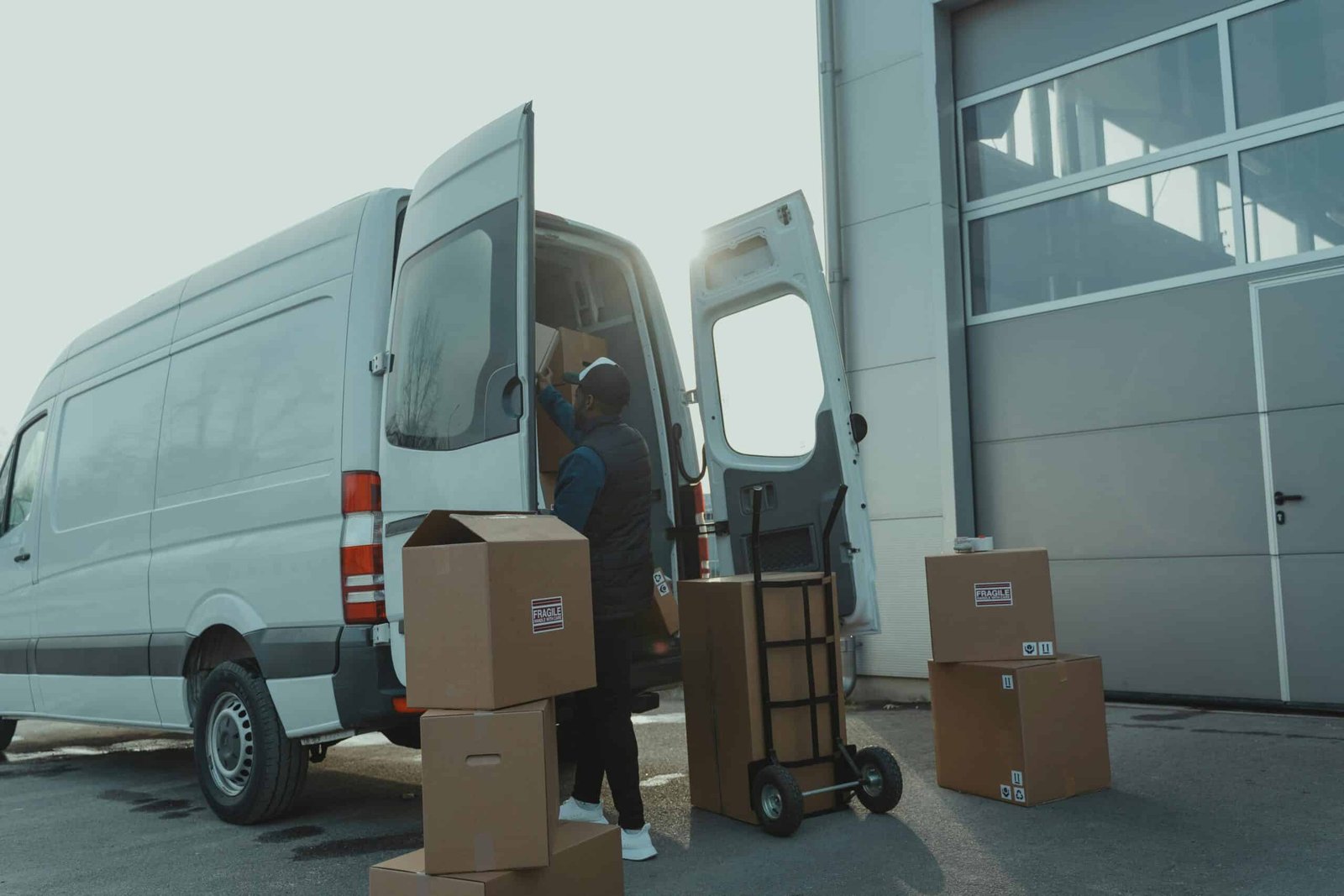

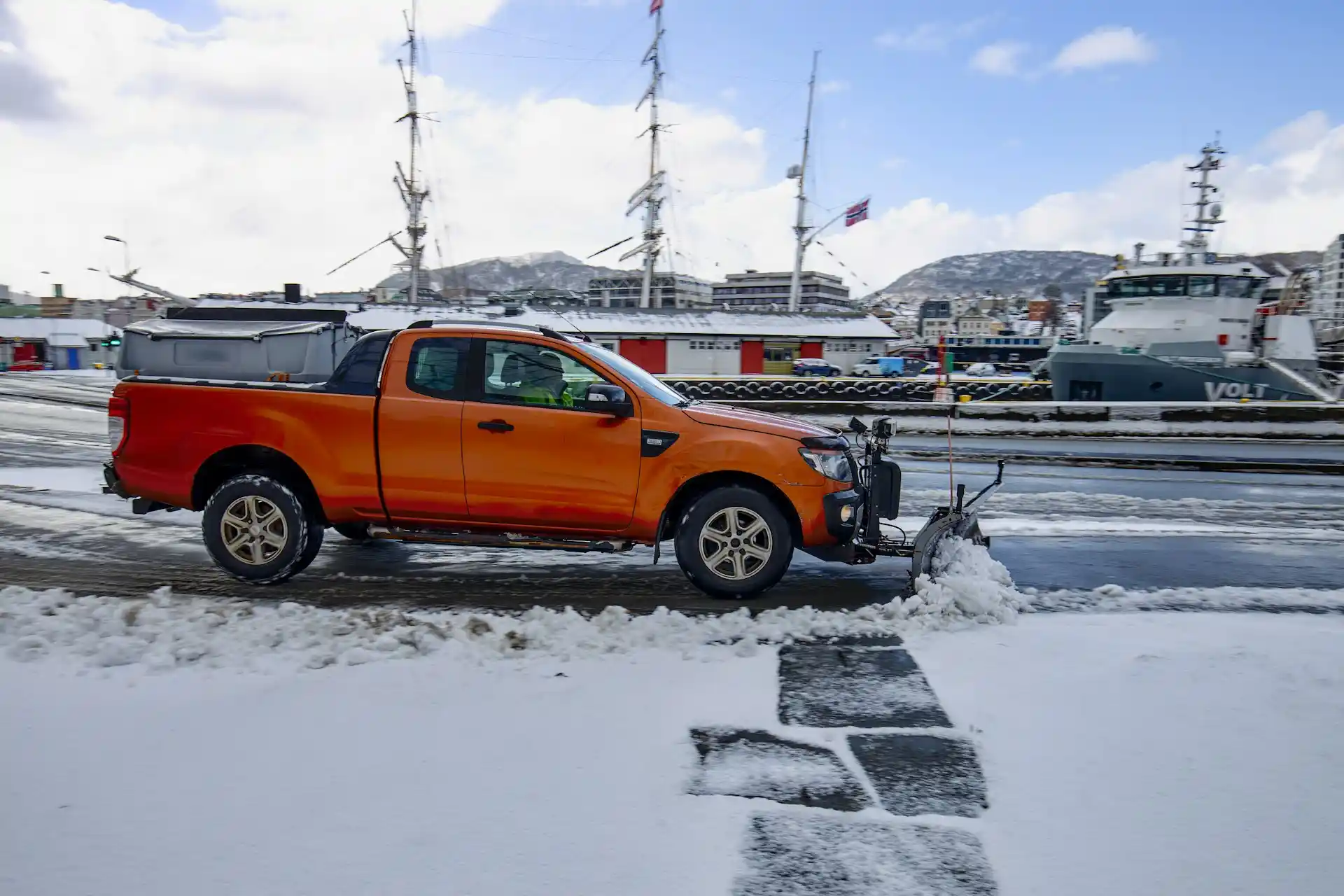
Moving furniture is already a challenge. Throw in bad weather—rain, snow, wind, slush—and you suddenly have a high-risk operation where damage, delay or injury can become real threats. Over years of planning and executing moves, I’ve learned that the difference between a smooth move and a disaster in inclement weather isn’t luck—it’s preparation, good gear, and smart sequencing. In this article you’ll get deep, actionable strategies to move furniture in bad weather, from pre-planning through execution and cleanup.
1. Assess the Weather & Decide Whether to Move
1.1 Check the Forecast Early
Start tracking the weather as soon as your moving date is set. Rain, freezing rain, heavy snow, or strong winds can all derail a move. If your move is flexible, it might make sense to postpone rather than rush into a dangerous scenario.
1.2 Conditions That Warrant a Delay
- Ice storms, heavy sleet, blizzard-level snow.
- High winds that could make outdoor loading unsafe.
- Flooding, deep water, or slushy pathways.
If you’re facing any of these, you’re often better off shifting your date than risking damage or injury.
1.3 When You Can Still Go Ahead
Light rain, intermittent snow flurries, or minor wind aren’t automatic show-stoppers—provided you adapt your plan. Delays still need to be built into your schedule.
2. Pre-Move Preparation (Critical for Bad Weather)
2.1 Protecting the Entry and Pathways
- Clear driveways, walkways and steps of ice/snow; apply salt or sand.
- Lay down towels, cardboard, mats or runner-mats at the door and inside to trap moisture. One moving company describes this as setting up a “large welcome mat” at the truck and entry.
- If you have an overhang, garage or covered doorway, use it as your loading zone to reduce exposure to rain/snow.
2.2 Protecting the Furniture and Your Home
- Use heavy moving blankets, plastic wrap or tarps to cover and protect furniture surfaces. Wet conditions plus unwrapped furniture = risk of water damage, warping or staining.
- For wooden furniture, as soon as it enters the dry interior, wipe off moisture and unwrap so it can breathe. Don’t seal in dampness.
- Floor protection: wet boots + heavy furniture = scratched wood, dirty carpet. Lay down floor covers along the path from door to truck.
2.3 Gear & Footwear
- Everyone on the move-team needs footwear with good grip, waterproof if possible. Wet pavement, icy ramps, slippery dollies are major hazards.
- Use dollies or hand trucks with non-slip wheels when moving big furniture pieces. For uneven terrain or stairs consider additional supporting straps or shoulder dollies.
- Keep towels, extra socks, change of shoes ready. If someone steps in slush, you don’t want them dragging moisture through the house or losing traction.
2.4 Communication & Team Setup
- If you’re hiring movers: confirm their weather contingency plan. Some will cancel or pause if conditions get too risky.
- Decide roles: at least one person inside handing items to an outside partner reduces how often people traverse wet ground with heavy furniture.
- Build buffer time: bad weather = slower moves. Don’t pack your schedule like you’re running on fair-weather assumptions.
3. Loading & Transport Strategies in Bad Weather
3.1 Setting Up the Loading Zone
- Park the truck as close to the entrance as possible—shorten the rainy/wet path.
- If your home has no covered loading bay, consider erecting a tarp or temporary canopy between the door and truck. This isn’t overkill—it can protect furniture while you transition it.
- Keep interior doors open so items can be passed efficiently—reduce exposure to outside wet elements.
3.2 Wrapping Big Furniture Items
- Furniture pieces should be individually wrapped: start with a moving blanket, then a heavy-duty plastic wrap or tarp cover. Wet conditions demand more cover.
- Make sure you dry off legs, bases, hidden surfaces where moisture can hide. A slight puddle at the base of a sofa can warp wood over time.
- For electronics or sensitive items: place them in waterproof bins rather than traditional cardboard boxes. Cardboard can absorb water, collapse or tear.
3.3 Safe Handling & Transport
- When moving large items, go slow. Rushing over slick surfaces invites mistakes. One site says “moving furniture during bad weather means slowing things down.”
- If you hit an icy patch, stop, reposition your team, put down salt or sand. Don’t assume you’ll just “make it through.”
- Inside the truck, avoid stacking wet items on dry ones in a way that moisture will drip. Use waterproof liner if available.
3.4 En Route & Arrival
- Choose the safest route for transport: major roads are typically cleared faster in winter. Avoid shortcuts through icy back roads.
- At your destination, load onto a dry floor or pre-prepared area if possible. If the ground is wet/muddy, roll out mats or cardboard at the entry.
- Upon unloading: unwrap items soon and dry them off. If you leave items wrapped while wet, you risk mildew, stains, warping.
4. Weather-Specific Tactics: Rain, Snow, Wind
4.1 Rain or Heavy Drizzle
- Don’t rely on cardboard boxes for anything exposed—they’ll soften and tear. Use waterproof bins or wrap boxes in plastic.
- Place thick mats or towels at the door/truck to catch drips and reduce indoor moisture.
- Use umbrellas or covers for short outdoor carries.
- Ensure the moving truck’s cargo area is leak-free; check for water ingress before loading.
4.2 Snow, Ice & Cold Weather
- Clear snow and ice before the movers arrive. Use salt or sand on path and driveway.
- Wear warm, waterproof clothing. Cold hands/grips = less control over large items.
- Allow extra time: multiple trips, more breaks, slow pace.
- If the snow is heavy or slippery, seriously consider postponing—many moving companies will.
4.3 High Wind
- Wind can turn light items into projectiles; heavy furniture can be harder to control when gusts hit.
- Use rope straps or tie-down systems if items are exposed during loading. One article noted stacking and securing chairs as a tip.
- Create a sheltered zone if possible for outdoor staging before loading.
5. Protecting Your Home & Interiors
- Weather means extra risk of damage to your floors, walls and carpets. Use old towels, blankets, or runner mats from entry to where unloading occurs.
- If you have hardwood floors: moisture + heavy items = risk of warping. Unload onto slats/boards until items acclimate.
- Avoid carrying items with muddy boots into the home: designate an outdoor boot zone, have wipes/spray available.
- At the destination, keep entry doors open briefly (if safe) to air out moisture; warm up the interior quickly to avoid condensation.
6. Post-Move Care & Damage Prevention
- Unwrap items promptly. Remove blankets, plastic, shrink wrap to inspect for water infiltration or damage.
- If you moved in cold/climate change – let furniture acclimate. Moisture trapped inside pieces can lead to swelling or cracking when moved to a warmer environment.
- Check for signs of water damage: warping wood, rust on metal legs, damp upholstery, mildew smell. If you spot it, move the furniture to a dry, ventilated area, wipe and inspect.
- Clean up residual mud, salt or sand that may have been tracked in—they can damage finishes over time.
7. Why These Extra Steps Matter
From a decade of field-moving experience, I’ve seen what happens when people treat bad weather like “business as usual”:
- A couch left unwrapped in rain winds up with water stains and frame warping.
- A moving team skipping ice-clearing leads to a twisted ankle and delayed schedule.
- Slush tracked into a new home ruins newly laid carpet or hardwood and costs hundreds in repair.
And yes—clients who do the extra prep and make weather-contingency plans almost always come out ahead. The time spent laying mats, wrapping properly, communicating clearly pays dividends. Your move doesn’t have to be perfect weather-wise—but you can make it resilient.
8. Checklist: Quick Reference for Moving Furniture in Bad Weather
- Weather forecast confirmed; backup date considered.
- Driveway/sidewalk cleared and treated (snow/ice).
- Mats, towels, cardboard laid along furniture path.
- Furniture wrapped with blankets + plastic wrap/tarps.
- Dollies and hand trucks checked for non-slip wheels.
- Team wearing waterproof footwear/gloves and appropriate gear.
- Truck parked as close to entrance as possible; tarp/canopy if needed.
- Unloading zone prepped, inside route protected.
- Post-move: unwrap, inspect, dry and clean.
9. Final Thoughts
Moving furniture during bad weather isn’t just slightly harder—it’s a fundamentally risk-elevated task. But with deliberate preparation, smart equipment choices, and a pace that respects the conditions, you can still do it efficiently and safely. Think of it this way: the weather didn’t change your goal (get furniture moved) – it just changed your variables (speed, protection, path). Approach it like an operations manager would: map the path, identify the risks, set the contingencies, and execute with discipline.
Use your leverage: the move itself might be fixed, but you get to decide how well you manage the external factors. With the right mindset and prep, you’ll arrive at your new place not just with your furniture intact—but with your sanity and schedule intact too.