

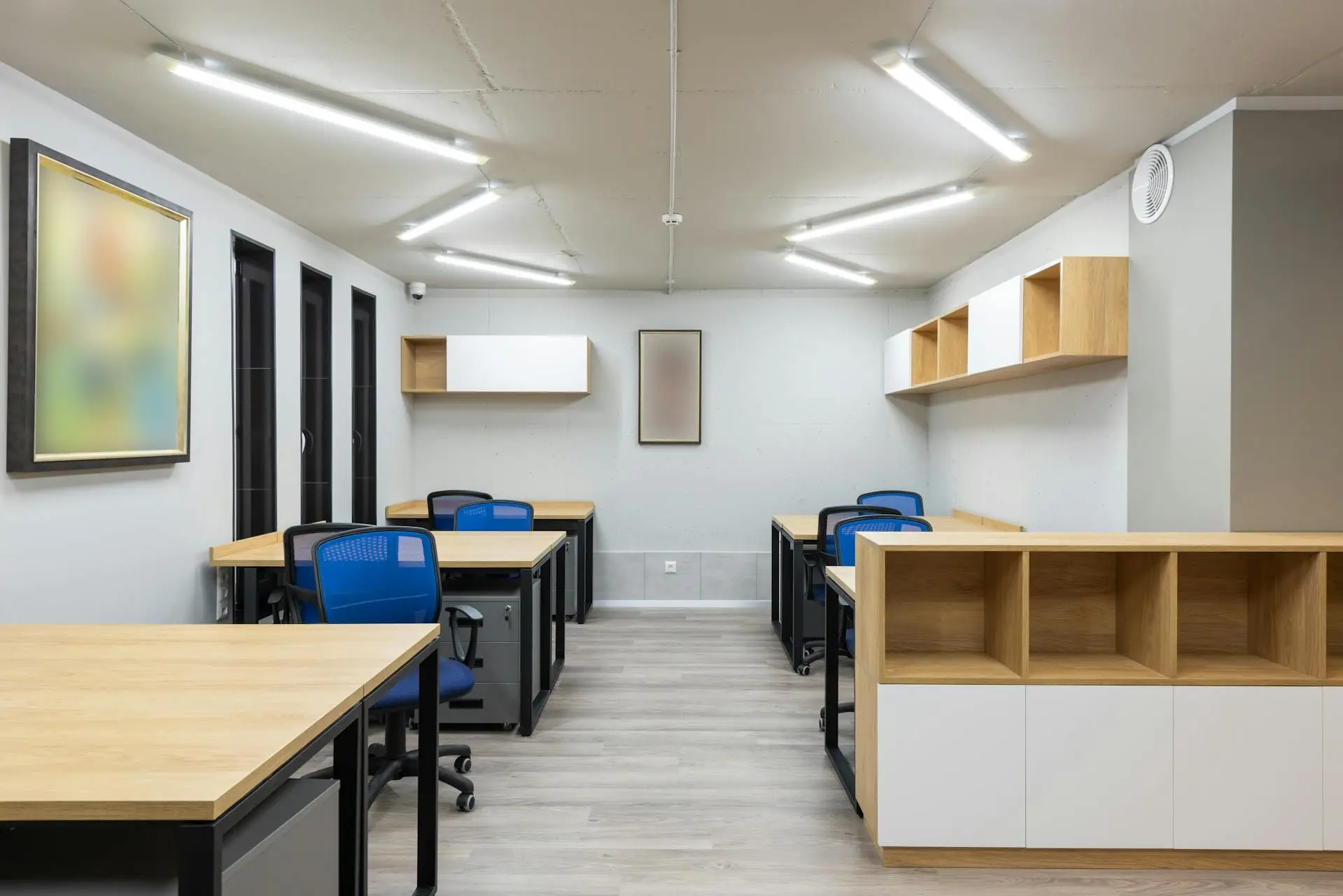
Benefits of Modular Furniture Over Traditional Fixtures
In today’s design and furnishing world, modular furniture is no longer a fringe option—it’s rapidly becoming the go-to choice for homeowners, renters, renovators, and commercial clients alike. In market after market (and right here in Toronto), people are waking up to the clear advantages of modular design over traditional fixed furniture. If you’re considering a refresh or furnishing a new space, here’s a deep, experience-informed look at why modular might be your best investment—and what makes modular furniture installation Toronto such a smart service to lean on.
What Exactly Is Modular Furniture?
Let me start with clarity: modular furniture is built in standardized “modules” or components that can be combined, reconfigured, added, or removed. Rather than a fixed couch or wardrobe that comes in a rigid shape, modular pieces are more like Lego bricks. You might get base units, extension modules, corner pieces, connectors, shelves, and add-ons, all designed to work together. Over time you can adapt your layout, extend the footprint, or break it down when you move.
This contrasts sharply with traditional fixtures—say, a built-in shelving cabinet or a custom dresser—that are largely fixed in form. Once installed, they don’t flex. The flexibility inherent in modular design delivers numerous advantages, some obvious, some subtle, many only appreciated by seasoned installers and designers.
1. Flexibility & Reconfigurability
One of the most frequently cited advantages is the ability to reconfigure. When life changes—kids grow, guests come, functions shift—your furniture can evolve too. You can:
- Re-arrange your seating layout (sofa modules, ottomans)
- Transform a wall unit to suit new electronics or storage needs
- Convert a closed unit into bookshelves or drawer modules
- Resize for a smaller or larger space
In contrast, a fixed fixture is static. Its size, shape, and orientation are permanent (or expensive to alter). Modular furniture gives you design agility.
In commercial settings, modular office furniture similarly lets you shift workstations, meeting pods, or storage walls to respond to new team structures or space needs.
2. Better Use of Space (Especially in Toronto)
In a dense urban context like Toronto—smaller condos, narrow hallways, tight CNC layouts—every inch counts. Modular furniture allows you to optimize layout in ways traditional furniture often can’t:
- Use corner zones more efficiently
- Fit around doors, windows, columns, or irregular walls
- Create zones or partitions (e.g. shelving as a room divider)
- Minimize “dead space” behind fixed furniture
Because modules can adapt to the dimension constraints, you don’t have to oversize or compromise. Traditional furniture often forces you to leave awkward gaps or waste area.
3. Scalability Over Time (Grow with Your Needs)
One of the biggest frustrations with traditional furniture is obsolescence: You buy a sofa or dresser that fits today—but what about tomorrow? With modular, you can:
- Add modules as your family or collection grows
- Repurpose parts when your use-case changes
- Replace just one worn module instead of replacing the whole set
That capacity to scale is a huge cost-saver over the lifecycle of the furniture. You don’t discard the entire piece—just upgrade or expand.
4. Easier Transportation, Delivery & Installation
Anyone who has ever tried to wrestle a fixed, fully assembled sofa or cabinet through condo elevators, stairwells, or older houses knows the pain. Modular furniture, by contrast, typically ships in parts, is lighter, and often can be carried through narrow passages.
This means fewer logistic headaches, fewer risks of damage, and more accessibility to tight urban buildings. In the context of modular furniture installation Toronto, experienced installers can bring modules up to high-rises, pass through heritage doorways, and assemble in-place with less disruption.
Also, because modules are smaller, replacement or reconfiguration later is far simpler—no need to dismantle a massive fixture.
5. Cost-Effectiveness Over Time
While modular pieces sometimes have a slightly higher upfront cost (because their engineering and joinery are more premium), they often deliver better value in the long run. Here’s how:
- You avoid full replacement: You can swap or add modules rather than discarding entire items
- Less waste: you don’t need to toss the whole piece
- Lower labor cost for reconfigurations: installers don’t have to build from scratch
- Bulk manufacturing of modules can lower cost per unit
In office or commercial settings, modular furniture systems reduce the need for completely new furniture sets as teams shift.
6. Sustainable & Eco-Friendly
In an era where environmental impact is under intense scrutiny, modular furniture has several advantages:
- Material efficiency: Because modules are standardized, manufacturers can optimize material usage and reduce off-cuts.
- Reduce waste: Instead of discarding entire pieces, you replace modules.
- Longer life span: Because parts can be upgraded or reconfigured, you get more use before replacement.
- Lower transportation carbon footprint: Smaller, lighter modules mean more efficient shipping.
- Possibility of recyclable components: Many modular systems use materials (steel, aluminum, engineered wood) that are more recyclable.
These sustainability wins put modular ahead of many traditional, disposable furniture models.
7. Consistency & Aesthetic Coherence
Another benefit often overlooked is that modular systems encourage consistency—matching styles, proportions, and joinery across your space. Rather than buying disparate pieces that clash, a modular line ensures cohesion. You can mix and match modules but stay within a visual language.
This is particularly valuable when you want to expand later. Your new module won’t look like an afterthought; it will integrate seamlessly.
8. Ease of Assembly, Disassembly & Relocation
Modular furniture is designed for modular motion—meaning you (or your installer) can assemble or disassemble with relative ease. If you relocate, renovate, or reconfigure, the process is smoother:
- Less heavy lifting
- Modules that connect with standard, repeatable hardware
- Minimal tools needed
- Faster turnaround
Traditional fixtures, by comparison, may require demolition, tearing out built-ins, or complex carpentry to relocate or adjust.
9. Reduced Risk in Renovations & Remodeling
When you remodel or change a space, modular furniture can accommodate shifts more gracefully. You don’t have to plan for a fixed piece—modules adapt. If a wall moves, a window enlarges, or plumbing shifts, your modular units can be reconfigured or partially replaced rather than scrapped.
For example, a modular wall unit might let you shift the width of a shelf system by inserting a new middle module, whereas a built-in would need full rebuild.
10. Better for Mixed or Multifunctional Spaces
Modern homes increasingly combine functions—living-dining-kitchen combos, home offices, lounge areas. Modular furniture is well suited to these mixed-use spaces:
- You can partition with modular shelving or screens
- You can convert a lounge to a workspace by shifting modules
- You can expand or contract zones as needed
Traditional single-function fixtures are rigid and don’t adapt well to changing demands.
Caveats & Trade-Offs (and How to Mitigate Them)
To maintain credibility, I’ll acknowledge some potential downsides (and how I’ve seen them managed in practice):
- Initial complexity / decision fatigue
Choosing modules, finishes, sizes, connections can feel overwhelming. Mitigation: work with experienced designers or modular furniture specialists. - Module separation / stability issues
Some cheap systems may let modules drift apart. The solution: good connecting hardware (clips, magnets, locking tracks). Premium systems avoid this. - Higher upfront cost
As noted earlier, the engineering and flexibility often command a premium. But the lifecycle ROI usually offsets this. - Limitations on style variety
Some modular lines stick to modern minimal aesthetics. But many now have varied finishes, veneers, colors to broaden appeal. - Wear and tear on connectors
Over many reconfigurations, connectors may loosen. Mitigation: use quality hardware and limit extreme reconfigurations.
In my real-world projects, these trade-offs are minor compared to the upside—especially in Toronto where flexibility and spatial constraints dominate.
Why “Modular Furniture Installation Toronto” Matters
You might wonder: “It’s modular—why do I need installation?” Here’s why professional installation in Toronto is a key value-add:
- Navigating high-density, high-rise buildings: In condominiums, old houses, or tight staircases, modules may need staging, lifts, or special handling. Experienced installers know how to manage that efficiently.
- Precision alignment: Modules must align flush, connect cleanly, and maintain structural integrity. Poor installation can lead to sagging, misalignment, or separation.
- Site customization: Toronto homes vary—plugs, windows, HVAC vents, columns. The installer can adapt modules on site (e.g., trimming, leveling) to fit.
- Warranty / support: Many modular manufacturers require certified installers for warranty to remain valid.
- Coordination with other trades: In a renovation, installation must often align with painters, electricians, flooring—timing is critical.
- Optimizing layout for building codes / fire egress: In a city like Toronto, you must consider codes, clearances, and load paths, especially in commercial or multi-unit settings.
- Efficiency & speed: A seasoned installer can do in hours what an amateur might take days on—minimizing disruption to your home or business.
Example Structure of a Modular Installation Project (Toronto Case Study)
To bring it to life, here’s an illustrative process I’ve executed in Toronto:
- Site survey & measurement: We visit the unit, measure dimensions, note obstacles (vent, baseboard heaters, columns).
- Design & layout plan: Using the modular system library, we mock up modules in CAD and iterate layout.
- Material selection: Choose finishes, materials, hardware to match client taste and structural demands.
- Module pre-assembly: Many modules are partially pre-assembled off site to reduce on-site labor and disruption.
- Delivery logistics: Modules are packaged and labeled; we plan elevator timing, staging areas, and safe transport routes in the building.
- On-site installation & adjustment: We level, shim, trim, connect modules, ensure alignment, fasten to walls or floor if needed.
- Testing & final inspection: Check stability, alignment, finishes, connectors, ensure doors/drawers slide smoothly.
- Aftercare & maintenance guidance: Provide client with care instructions and how to reconfigure modules later if desired.
Over the years, I’ve found that clients in Toronto especially value the minimal interruption, the adaptability, and the clean final result. The modular approach gives them “future proofing.”
Summary & Call to Action
Modular furniture isn’t a fad—it’s a pragmatic evolution in furnishing, particularly suited for dense, evolving urban conditions such as Toronto. Its flexibility, scalability, space optimization, sustainability, and lower long-term cost make it a superior choice over traditional fixed fixtures in many scenarios.
If you’re in Toronto and considering a renovation, condo upgrade, or commercial build-out, a modular furniture installation specialist is not just optional—they’re essential to getting the full performance of modular systems.