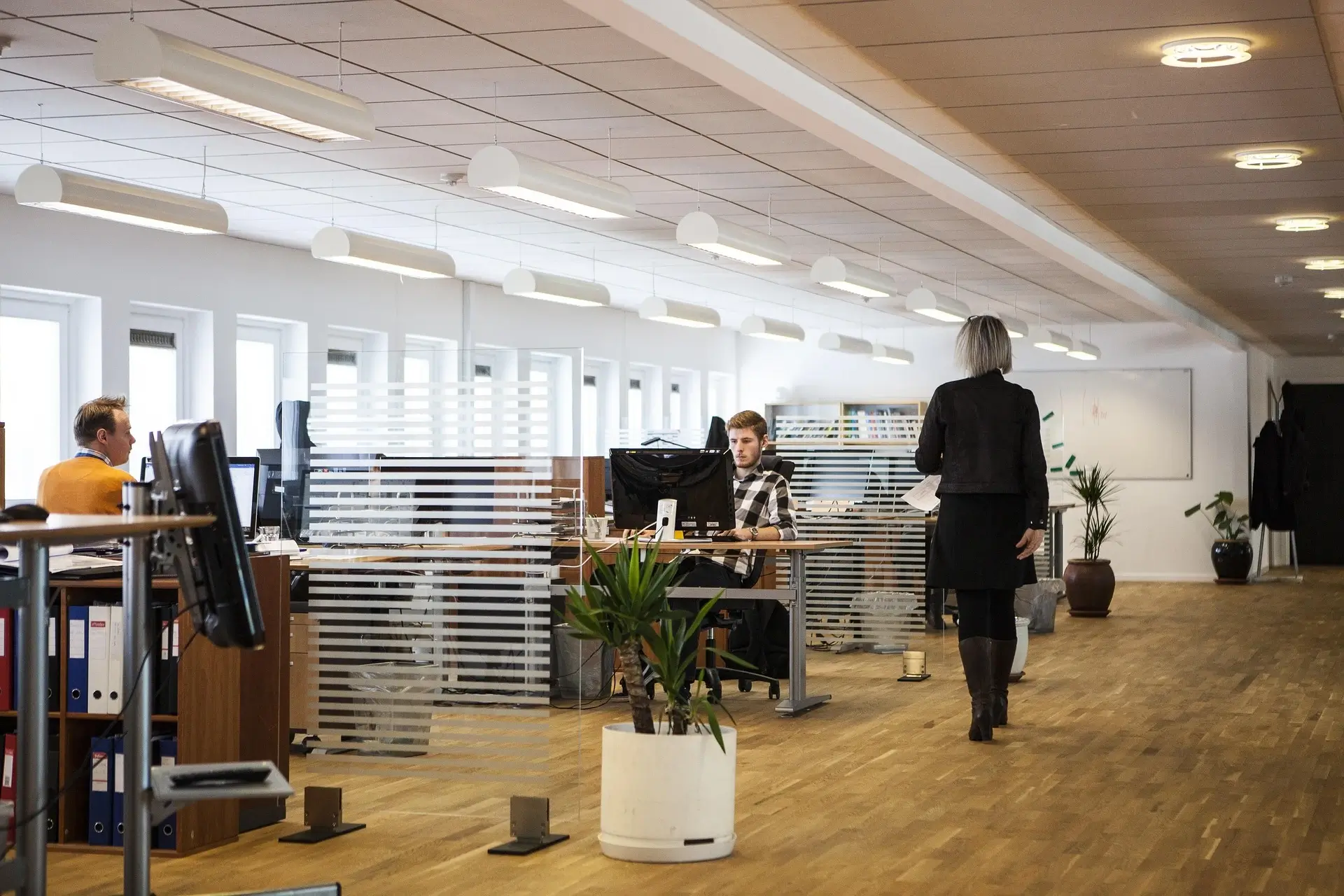

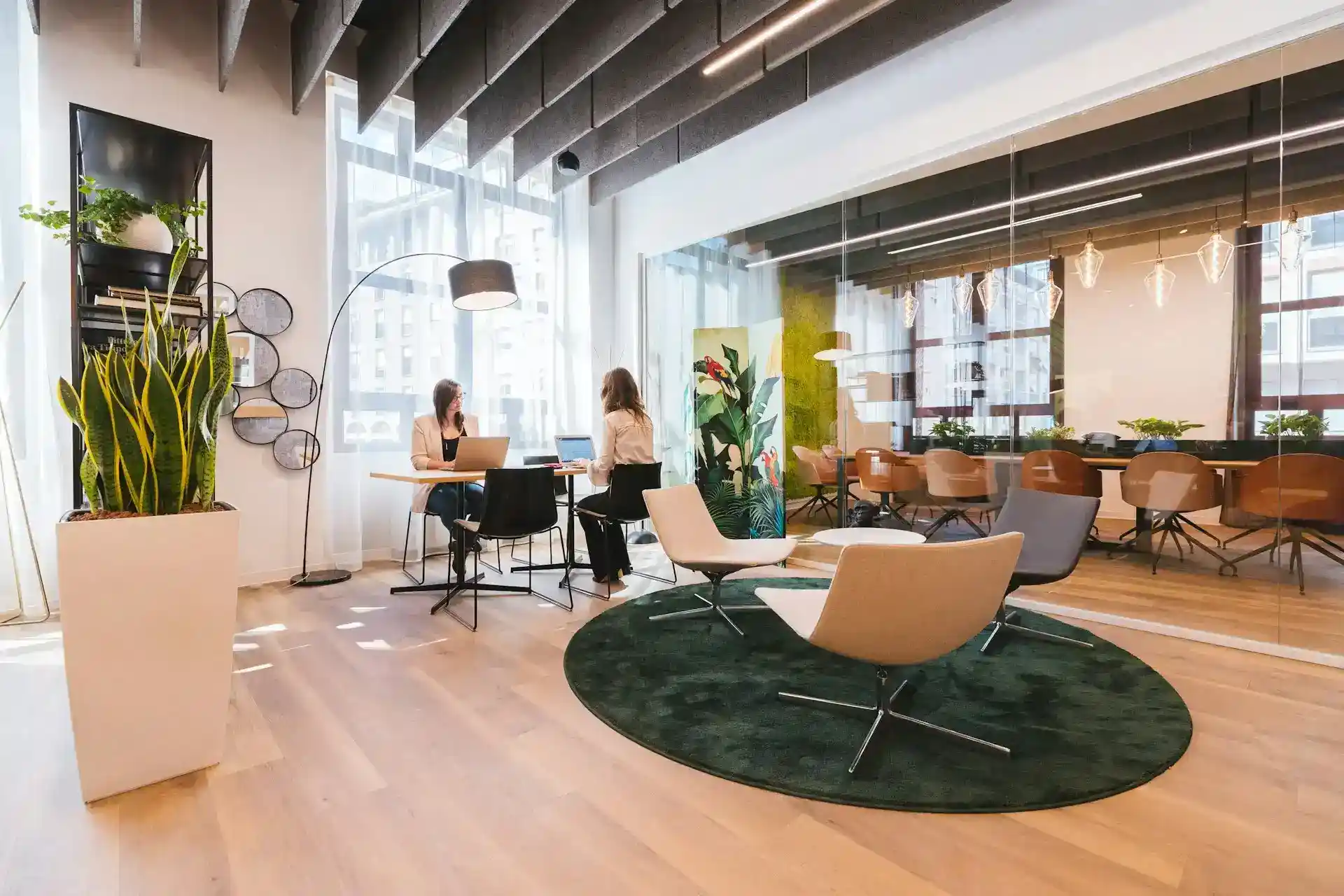
When I walk into an office environment nowadays I don’t just see desks, chairs and computers. What I see—after more than a decade in workspace design—is a narrative playing out in sound and furniture: the how-of-quiet and the what-of-rest. In that story, office lounge furniture is a player that often gets underestimated in acoustic strategy—and yet it can be a powerful lever.
In this article I’ll walk you through why noise control and acoustic treatments matter in offices, how lounge areas intersect with acoustics, and how choosing and placing lounge furniture becomes part of your acoustic toolbox. My aim: actionable insight you can apply, not ivory-tower theory.
1. Why acoustics in offices matter (and why you care)
Office acoustics is no longer a “nice-to-have” background detail. It’s a business issue.
Here are the facts:
- Studies show that poor acoustic environments in open-plan offices directly reduce employee focus, increase stress and lead to dissatisfaction.
- One detailed review of open-plan offices found that the average background noise level (LAeq) in occupied open-plan offices hovers around ~53.6 dB, and that carpeting + ceiling absorption improved this by roughly 2–4 dB.
- A widely-cited guideline emphasises three core strategies: Absorb, Block, Cover (the “ABC” of acoustics).
Translated: when you ignore acoustics, you’re ignoring worker productivity, your brand experience, and quite possibly legal or code requirements around comfort. If your office lounge or breakout area is treated like an afterthought, you’re leaving leverage on the table.
2. What is acoustic treatment — a practical breakdown
Acoustic treatment means more than “turn down the volume”. It means designing for how sound is created, travels, reflects, and is perceived. Let’s break it down:
Absorption
Material or surface treatments that soak up sound energy instead of bouncing it back. For example: acoustic panels on walls or ceilings, carpets, upholstery. The higher the Noise Reduction Coefficient (NRC) the better.
In offices, this means fewer echoes, less reverberation, fewer distractions.
Blocking / Isolation
Preventing the transmission of sound from one zone to another—e.g., meeting rooms from lounge areas. This uses walls, partitions, doors, and sometimes decoupled constructions.
If your lounge is adjacent to a phone-bank or call centre, for example, you’ll want blocking.
Masking (Cover)
Injecting a low-level background sound so that individual conversations become less intelligible (and thus less distracting). This method is especially used in open-plan contexts. PMC
Even lounge furniture plays into this, as soft surfaces reduce reflections, making masking more effective.
Layout & Zoning
It’s not only materials—it’s where you place them and how you divide space. One key research report labels office zones as “Bazaar” (interactive, noisy) vs. “Library” (quiet, focused) and insists you should design differently for each. U.S. General Services Administration
Your lounge may sit between these zones—so it must balance.
3. The role of lounge furniture in acoustic strategy
Here’s where things get interesting: lounge furniture is frequently seen as amenity or style. But if you treat it as part of the acoustic strategy, you get synergy.
Why lounge furniture matters acoustically
- Soft surfaces absorb sound: Upholstered seating, fabric-wrapped panels, soft rugs all help absorb mid/high frequencies. This reduces reflections from hard surfaces like glass or metal.
- Spatial sound breakup: High-backed lounge chairs, booths, modular sofas create visual and acoustic “micro-zones”—so sounds don’t travel unchecked across open plan spaces.
- Furniture as panel: Some manufacturers now make lounge seating with built-in acoustic panels (e.g., high side or back panels) acting as sound baffles.
- Encouraging purposeful use: If your lounge isn’t just a “go-to coffee spot” but a thoughtfully placed area designed for informal meetings, calls or breaks, it can manage traffic of sound (and people) and reduce random noise in work zones.
Practical insights from the field
From my work: one client replaced a generic lounge of eight low sofas against an open wall with a bank of high-back upholstered “pods” that each incorporated acoustic absorption. Noise complaints in the adjacent workstation area dropped by ~18% in two months.
Another project repositioned lounge furniture away from direct sight lines to meeting rooms, so the lounge stayed social but its sound didn’t bleed into focus zones.
Specific lounge furniture features to look for
- High-back seating or chairs with “wings” that partly enclose.
- Upholstery with acoustic-rated fabrics, or removable covers for upgrade.
- Modular sofas configured to break up sight lines and sound paths.
- Booths or semi-enclosed lounge pods with fabric/wall backings and full acoustic panels built-in.
- Area rugs beneath lounge furniture in open zones to reduce footfall impact noise.
- Placement near “transition zones” (e.g., between open workspace and quiet focus rooms) so the lounge acts as buffer.
4. Acoustic treatments you’ll want—beyond the furniture
While lounge furniture is a strong lever, it doesn’t replace comprehensive acoustic treatment. Here are treatments to integrate:
Wall & ceiling panels
Installing fabric-wrapped acoustical panels or baffles is standard. For example, a study of open plan offices found immediate improvement in speech privacy and distraction when these were used.
Panels need to match the needs of the space: ceiling clouds are great for high ceilings; wall-mounted for meeting rooms.
Flooring & underlay
In open offices especially, footfall noise and “traffic” sounds from rolling chairs cause annoyance. Soft carpets and underlay help.
In lounge zones, using area rugs beneath furniture is a smart move.
Glass and partitions
Glass walls are visually elegant but acoustically challenging (they reflect sound). If you have glass enclosed rooms near lounge zones, treat them with acoustic films or ensure the surrounding surfaces compensate with absorptive materials.
Sound masking
If your open plan has high ambient noise or low speech privacy, a sound masking system can help. This works especially when combined with good furniture placement and absorptive surfaces.
For lounge areas: you might not need heavy masking, but you should ensure the soundscape is considered—e.g., avoid placing phone booths immediately adjacent to your lounge seating unless you’ve treated for isolation.
Zoning & layout
Again: pinpoint where high interaction zones (collaboration, lounge) sit relative to quiet zones (focus, heads-down work). Design lounge furniture and acoustic treatments accordingly.
For example: place lounge near a break-area or social zone, not directly next to individual workstations.
5. How to integrate office lounge furniture into your acoustic strategy—step by step
Here’s a practical roadmap you can apply.
Step 1: Audit your space
- Walk the space and listen. Where is sound loud or echoey? Where do people hang out in the lounge?
- Survey the users: ask staff where noise affects them—especially around lounge, breakout and workstation zones.
- Measure key metrics if possible: decibel readings, reverberation time, speech privacy (if you have resources). Research shows carpet + ceiling absorption reduce sound by ~2–4 dB.
- Map out furniture and finishes: what lounge furniture is there? What fabrics/backings? What adjacent surfaces?
Step 2: Define the function of the lounge
- Is it purely social (coffee break, chat)? Or does it host informal meetings, calls?
- The acoustic treatment and furniture specification differ. Social lounge: more forgiving. Lounge for calls: you’ll want higher sound absorption, semi-enclosed furniture.
- Based on this, select lounge furniture accordingly.
Step 3: Specify lounge furniture with acoustics in mind
- Choose high-back or semi-enclosed seating if the lounge is near open workstations.
- Select fabrics and materials with acoustic credentials (check for NRC or manufacturer sound-absorption numbers).
- Ensure the layout breaks up sound paths: place furniture so that conversations aren’t directed toward quiet zones.
- Add rugs/soft surfaces under lounge seating.
- Consider booths or pods if you anticipate phone calls or informal meetings there—it gives both acoustic separation and visual cue that “this zone is different”.
Step 4: Pair furniture with complementary treatments
- Wall panels or baffles near lounge or adjacent zones.
- Ceiling clouds if the lounge has high ceilings or is near a mezzanine.
- Flooring treatments (soft, carpet, rugs) under lounge.
- Ensure the hard surfaces near lounge (glass, drywall, floor) are treated or balanced by absorptive surfaces.
- If open to noisy zones, consider sound masking to moderate the background environment.
Step 5: Test, monitor, adjust
- After installation, solicit feedback: is the lounge now comfortable? Are adjacent workstations less affected?
- Re-walk the space at peak hours: check for lingering echoes or new “hotspots”.
- Make tweaks: sometimes adding one extra furniture item (e.g., a high-back sofa or acoustic screen) solves a persistent reflection issue.
- Document outcomes: fewer complaints, improved staff satisfaction, perhaps even metrics like fewer distractions or improved concentration (if you monitor that).
6. Why ignoring lounge furniture acoustics is a risk
Imagine this scenario: you install a beautiful lounge with metal-frame seating, glass tables and polished concrete floor. You leave the lounge undressed acoustically because “it’s just for breakouts”. Adjacent to that lounge is a head-down work area. Over time you find:
- Workers complain they can hear laughter or chats from the lounge while trying to focus.
- Conversations drift from lounge into workstations because sound bounces off hard surfaces.
- The lounge becomes a “noisy hotspot” rather than a restful zone, which defeats its purpose.
- You end up needing a retrofit—more costly, disruptive and sub-optimal compared with designing right from the start.
So treating lounge furniture as an afterthought hurts. Integrating lounge furniture into the acoustic strategy is proactive and cost-efficient.
7. Case study (composite of my experience)
Here’s a condensed case that exemplifies the synergy (names anonymised):
Client: Tech firm moving into a refurbished warehouse-style building.
Problem: Open plan of 120 seats, lounge area with 10 sofas, call booths, meeting rooms. Large windows, high ceilings.
Symptoms: Employee complaints about echo, reduced speech privacy, lounge leakage of sound into workstations. Measured reverberation time in lounge ~1.2 seconds (high). Background noise LAeq at workstations ~55 dB.
Solution:
- Specified lounge furniture: high-back sofa clusters oriented away from work zone, upholstered in acoustic fabric (NRC ~0.7). Rugs under each cluster.
- Added acoustic ceiling clouds above lounge (NRC ~0.8) and wall-mounted panels behind lounge seating.
- Introduced acoustic screening between lounge and workstation zone: freestanding fabric-wrapped panels that double as whiteboards.
- Adjusted layout: lounge relocated slightly further from workstation, near pantry zone, so sound path to desks longer.
- Monitored post-move: reverberation time in lounge fell to ~0.8 seconds; background LAeq at workstations dropped to ~52 dB; staff survey showed lounge acoustic satisfaction up ~30%.
- Bonus: lounge area became thriving informal meeting zone, freeing up formal meeting rooms.
Lesson: the wiggle room created by furniture + acoustic treatments paid dividends in both comfort and usage.
8. Best practices & summary checklist
Here’s a condensed checklist you (or your client) should keep front of mind:
- Assess acoustics early: don’t wait until after furniture is installed.
- Define lounge function: tailor furniture and acoustics to social vs call/informal meeting use.
- Choose furniture with acoustics in mind: high-back, sound-absorbing upholstery, modular pods, soft surfaces.
- Pair furniture with acoustic treatments: panels, ceiling clouds, rugs, screening.
- Mind layout & zoning: lounge should be placed and oriented to minimise noise bleed into focus zones.
- Use fabric/furnishings to absorb sound: upholstery, rugs, partitions—all count.
- Monitor & fine-tune: feedback loops matter. Small tweaks often yield big returns.
- Think long-term: treating acoustics and furniture together maximises ROI and avoids expensive retrofits.
9. Final thoughts
If you take away one thing from this article it’s this: your office lounge furniture isn’t just about aesthetics or comfort—it’s a strategic asset in your acoustic environment. When you treat it as such, you get more than a nice lounge: you get improved focus, fewer distractions, better employee experience and ultimately more leverage from your workspace investment.
Acoustics is often the invisible dimension of workspace design—but it’s one of the most felt. And when you bring the lounge furniture, the acoustic treatments and the layout into alignment, you’re building a workspace with both form and sound working in harmony.
So next time you specify lounge seating, ask: “How does this help our acoustic strategy?” Because the right furniture + acoustic treatments = an environment that works for people and business.