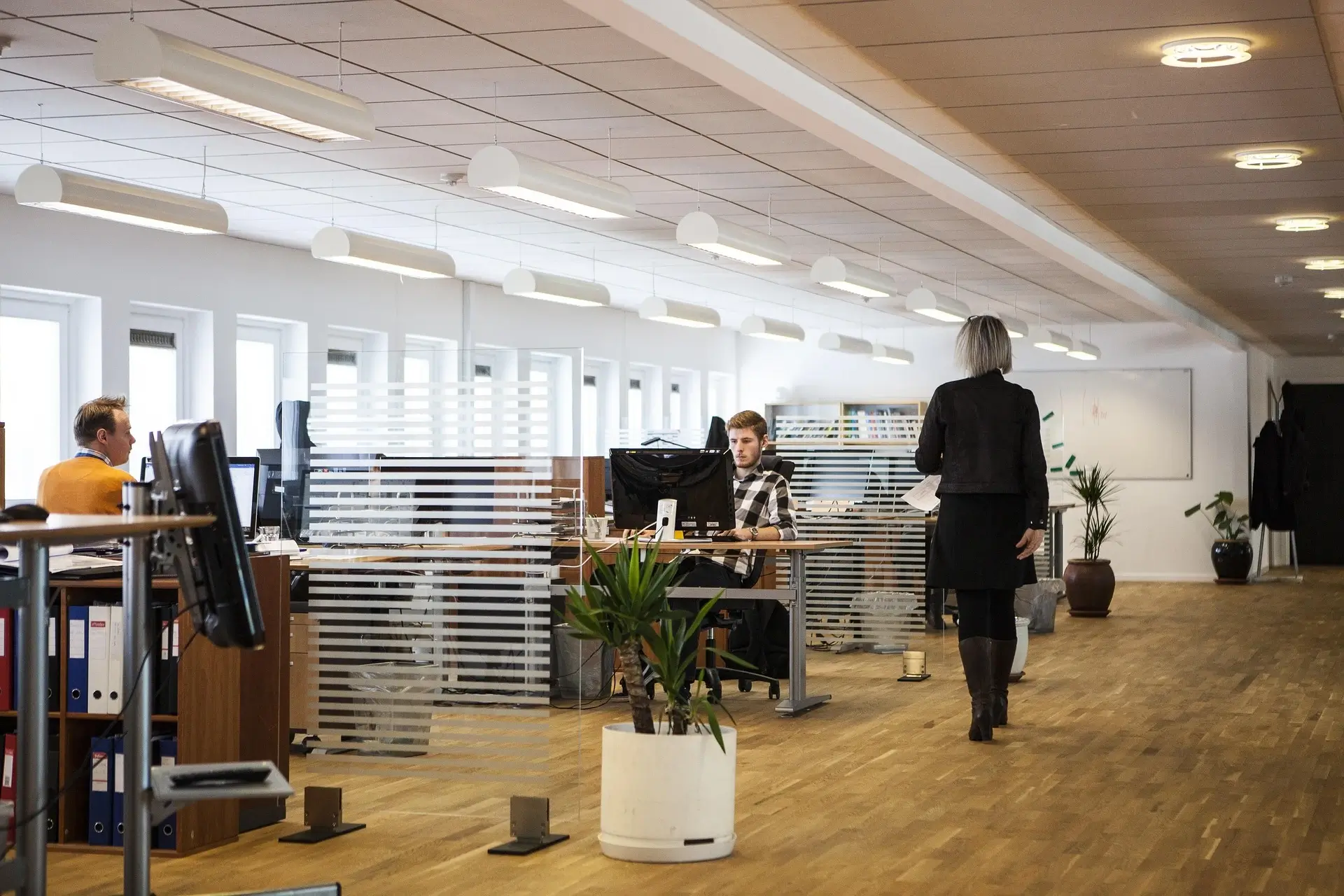

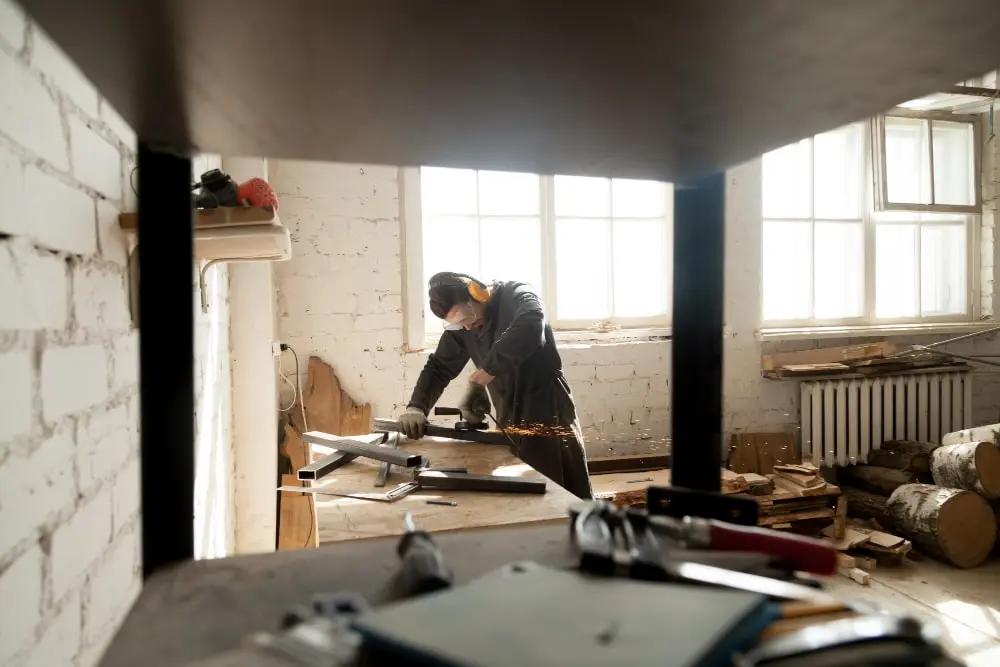
Speed is a currency in the modern workplace. How quickly you can adapt your environment often determines how quickly you can adapt your business. At Modula Interiors, we’ve spent years inside real offices during real transitions — seeing first-hand what stalls productivity, what accelerates it, and what actually works in fast-moving companies.
One question we hear more than almost any other is:
“Do office pods really install faster than traditional renovation?”
Short answer: yes — dramatically faster.
But the more important answer is why, when, and how that speed impacts real teams, real workflows, and real operational costs.
This article breaks down everything you need to know — from installation timelines to hidden delays, disruption factors, and the strategic advantages that pods bring to modern offices.
Understanding the Modern “Office Pod”
An office pod is a pre-engineered, modular workspace designed to deliver acoustic privacy, comfort, and functionality without traditional construction. They come in various forms — solo focus pods, conference pods, brainstorming nooks, hybrid meeting rooms, recording pods, and multi-person collaboration zones.
What makes pods fundamentally different from construction?
- They’re manufactured off-site, with systems already integrated.
- They arrive as modular components, ready for assembly.
- They require minimal building disruption.
- They plug into existing infrastructure with little or no modification.
- They are treated more like high-performance furniture than architectural works.
Pods are essentially “rooms you install,” not “rooms you build.” That distinction is what compresses timelines so dramatically.
Traditional Renovation: A Timeline Defined by Complexity
Renovation, even when well-managed, is a multi-layered process. The timeline traditionally spans several predictable but time-consuming phases:
1. Design & Planning
Creating architectural layouts, technical drawings, material selections, compliance considerations, and cost approvals.
Typical timeframe: 2–6 weeks.
2. Permits, Permissions & Regulatory Approvals
Depending on your building, this can mean landlord approvals, compliance reviews, health & safety assessments, fire-path approvals, and local building permissions.
Typical timeframe: 1–8 weeks.
3. Demolition & Preparation
Removing walls, ceilings, floors, fixtures, or outdated infrastructure.
Typical timeframe: 1–3 weeks.
4. Electrical, Mechanical & HVAC Work
Rewiring, extending ducts, lighting installation, power redistribution, switchboards, sprinklers, data cabling — each often handled by separate trades.
Typical timeframe: 2–6 weeks.
5. Wall Construction, Glazing & Finishes
Drywall, framing, glass partitions, painting, flooring, acoustic treatment — all requiring staging and sequencing.
Typical timeframe: 2–6 weeks.
6. Furniture, Fixtures & Final Fit-Out
From meeting tables to cable routing.
Typical timeframe: 1–3 weeks.
Even straightforward renovation projects easily stretch into 8–14 weeks.
Complex ones push 3–6 months or more.
Office Pods: A Timeline Defined by Efficiency
Where renovation can take months, pods operate on a different rhythm entirely.
Step 1: Selection & Configuration
Choose the pod type, size, features, finishes, and tech integrations.
Timeframe: A few days to a few weeks — depending on how fast decisions are made.
Step 2: Manufacturing or Quick-Ship Delivery
Standard configurations may ship quickly. Customized pods take longer.
Timeframe: 1–6 weeks, depending on availability and customization.
Step 3: Installation
Once delivered, most pods are installed by a trained crew.
Typical installation time: 2–12 hours.
Larger pods may require a full day, but almost never multiple days — and certainly not weeks.
Step 4: Immediate Use
No drying times, no paint fumes, no dust, no curing, no contractor sequencing.
Your team can literally step inside the same day.
Why Pods Are So Much Faster: The Modula Interiors Breakdown
1. Construction Happens Off-site, Not in Your Office
With traditional renovation, your office becomes the construction site.
With pods, the “construction” already happened elsewhere.
Your office only hosts the final assembly.
2. Pods Rarely Require Structural Modifications
No new walls.
No HVAC overhauls.
No electrical re-routing.
No messy demolition.
No debris.
No permitting delays for major works.
They often plug into existing power — and self-contained ventilation systems eliminate the need for ducting.
3. There Are Fewer Trades and Fewer Risk Points
Traditional renovation involves:
- Electricians
- HVAC specialists
- Framers
- Drywall installers
- Glaziers
- Painters
- Carpet installers
- Furniture installers
Pods need:
- A delivery crew
- An installation team
That’s it.
The simplicity of the process alone shaves weeks off the timeline.
4. Pods Minimize Disruption — Which Speeds Everything Else Up
A renovation slows your business down.
Pods let your business continue running.
No loud drilling for weeks.
No blocked hallways.
No dust sheets.
No major relocations.
This can be the single biggest time-saving factor for businesses that can’t afford downtime.
When Traditional Renovation Still Makes Sense
At Modula Interiors, we’re pod-first thinkers, but not pod-only thinkers. Renovation is still the right choice when:
- You need architectural reshaping, not room additions.
- You want a fully unified design language across the entire office.
- You require plumbing, major HVAC expansion, or structural modification.
- You’re building a permanent, long-term headquarters with custom needs.
Pods excel at agility — renovation excels at permanence.
When Office Pods Are the Strongest Choice
Pods deliver clear advantages when:
1. You Need New Rooms Quickly
Need a focus room tomorrow?
Need more meeting space by next week?
Pods are unbeatable.
2. You’re Scaling or Reorganizing
Hybrid work, contract staffing, fast team growth — pods let offices evolve instantly.
3. Your Lease Prevents Heavy Build-Outs
Many tenants can’t touch:
- Walls
- Ceilings
- Electrical systems
- HVAC infrastructure
Pods bypass these restrictions.
4. You Want Predictable Costs & Timelines
Renovations love “unexpected surprises.”
Pods eliminate most of them.
5. You Don’t Want to Disrupt Staff
Pods keep productivity steady while office improvements happen.
Hybrid Strategy: The Smartest Modern Approach
An approach we often recommend at Modula Interiors:
- Install pods immediately for instant relief — privacy rooms, call rooms, meeting pods, etc.
- Plan broader renovation work around them or at a later stage.
- Treat pods as flexible assets that can be repositioned post-renovation.
This model gives teams the speed they need now without sacrificing long-term vision.
The Hidden Cost of Time — and Why Speed Matters
It’s not only about construction timelines.
Time has ripple effects across your entire organization:
Productivity Loss
Weeks of noise and restricted access slow everything down.
Decision Fatigue
Long projects breed scope creep, distractions, and delays.
Temporary Relocation Costs
Swing spaces, alternative meeting rooms, or remote operations can add up.
Morale and Well-being
Teams working beside construction sites don’t perform at their best.
Pods eliminate most of these hidden costs because they install without chaos.
What to Consider Before Installing Office Pods
To maximize results:
1. Check Delivery Routes
Measure lifts, hallways, turning points, and door widths.
2. Confirm Power Access
Pods need convenient outlets or floor boxes.
3. Plan Airflow
High-quality pods have built-in ventilation, but placement still matters.
4. Choose Quality
Not all pods are created equal.
Acoustics, lighting, ergonomics, and durability vary widely.
5. Think About Future Reconfiguration
Pods are assets.
Future flexibility = long-term value.
Modula Interiors’ Perspective: Why Pods Are the Future
Across hundreds of workspace transformations, a pattern has emerged:
Businesses need to adapt faster than traditional construction can keep up.
Office pods are not a trend — they’re a solution to a workplace problem that isn’t going away. Privacy, focus, acoustics, hybrid work, space optimization — pods answer these needs with unmatched efficiency, predictability, and speed.
They’re not just “fast to install.”
They’re “fast to solve real problems.”
And in a world where teams shift, markets shift, and work habits shift — speed is strategic.
Conclusion: Pods Win on Speed — Every Time
If your goal is fast installation, minimal disruption, and immediate productivity, office pods outperform traditional renovation every single time.
Renovation isn’t obsolete — it remains essential for structural, aesthetic, and holistic office transformations.
But when you need:
- More rooms
- More focus space
- Better acoustics
- Hybrid-work solutions
- Flexibility
- Speed
Pods are the modern answer.
And at Modula Interiors, we’re committed to helping companies choose the right balance — pod, renovation, or hybrid — based on real operational needs, not outdated assumptions.