
Introduction
You’ve been designing, planning, or managing office spaces long enough to know that layout isn’t just aesthetic—it’s strategic. If your team is under-performing, or morale is flat, the culprit may well be the environment more than the talent. In this article we’ll dig deep into how open office layouts impact productivity—both the upsides and the pitfalls—and how office lounge furniture plays a critical role in making that layout work rather than backfire.
After more than a decade in workspace design and productivity consulting, I’ve seen plenty of companies jump on the open-plan trend without fully understanding the mechanics. The result? Distraction-rich spaces, stressed workers, and a false promise of “collaboration everywhere”. If you’re considering a re-design—or tweaking a layout you already have—this article will give you the insights, evidence and execution points to get it right.
1. What we mean by “open office layout”
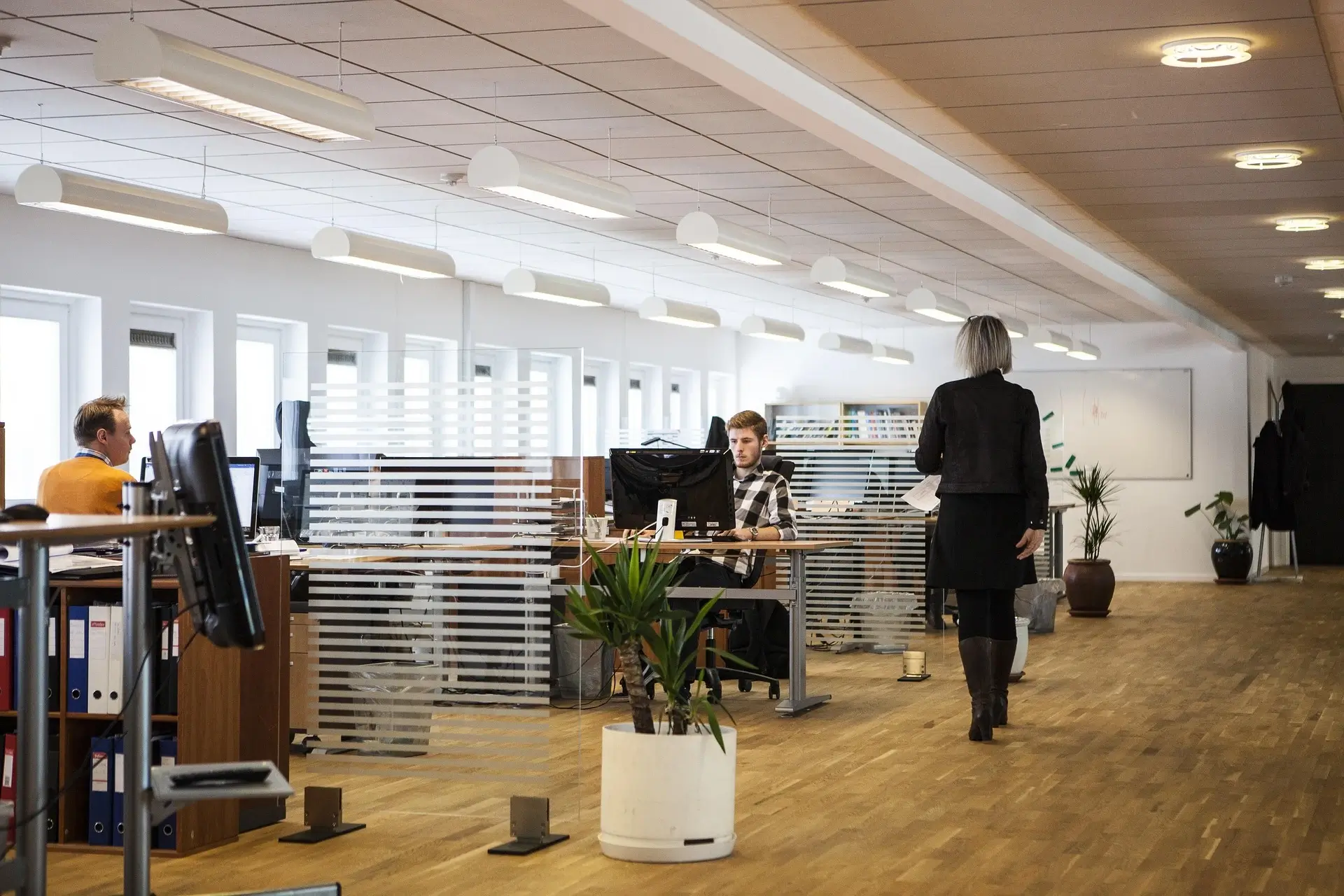
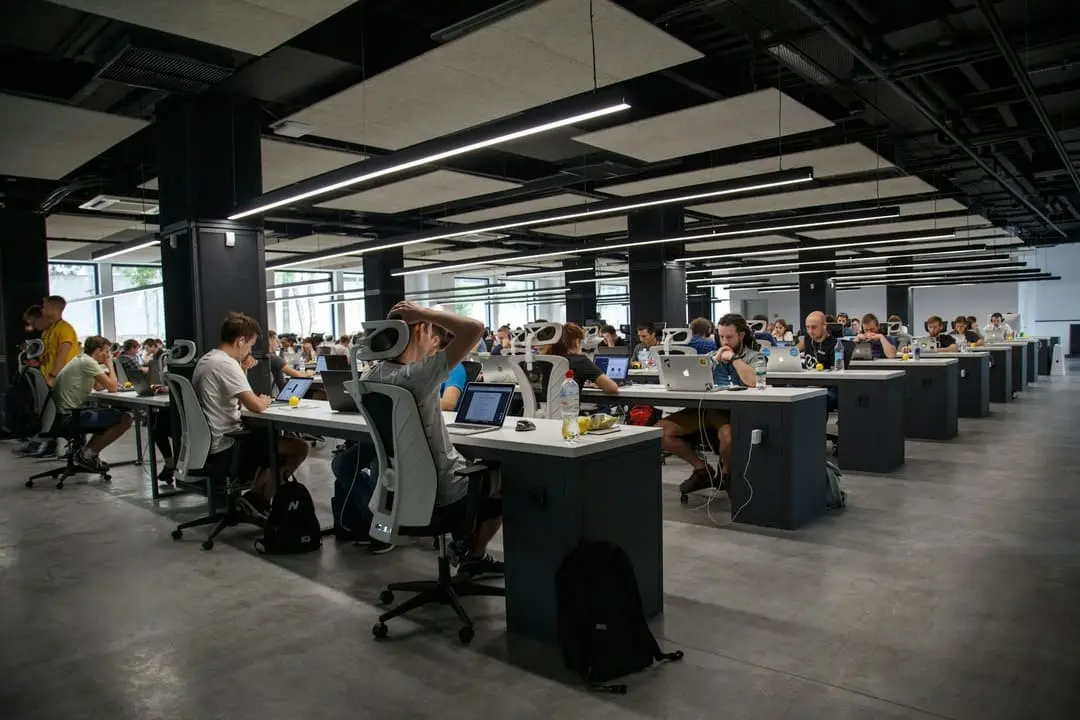
An open office layout (sometimes “open-plan office”) generally refers to a workspace arrangement where walls or partitions are minimal, and teams or individuals work in shared, visually and physically open areas. The idea: tear down barriers, boost visibility, increase serendipitous interaction, reduce real-estate costs.
Key characteristics
- Minimal or low partitions; large shared floor plates
- Hot-desking or flexible seating (in many cases)
- Collaborative zones + breakout spaces, often with lounge furniture rather than hardcore desks
- Hybrid or activity-based zones rather than fixed single-desk per person
But—and this is crucial—it’s not “open plan means automatically great productivity”. The design, furniture, acoustics, lighting, and human behaviour all matter.
2. Why companies adopt open layouts
From my experience (and the research backs this up) there are three major motivators:
a) Collaboration & connectivity
With fewer walls, the expectation is that team members can more easily engage in spontaneous conversation, cross-team collaboration, peer coaching and shared insight.
b) Flexibility & space efficiency
Walls cost money, fixed offices limit adaptability. Open layouts scale more easily. If you redesign teams, merge departments, you’re not rewriting the walls.
c) Cultural signalling
Design nowadays is not just about function—it signals that the organisation is modern, transparent, flat — a space where hierarchy is less visible. Furniture choices and open zones contribute.
3. The productivity reality: mixed results
Here’s where we get real. Many organisations adopt open layouts hoping for performance gains—but the evidence isn’t uniformly positive.
What the studies show
- A review of 300+ papers found open office layouts are “highly significant” in affecting productivity—but not always positively.
- One large study found after moving to open plan, face-to-face interactions dropped 73% while email use rose 67% and instant messaging rose 75%.
- Workers in open plan report higher dissatisfaction with noise, interruptions, and privacy issues.
- Health outcomes are impacted: open or “activity‐based” offices linked with increased sickness absence.
Why the mixed results
From my field-work I see recurring themes:
- Distraction overload: Without walls or equivalent controls, noise, visual interruptions and social chatter spike.
- Lack of control: People feel less agency over their environment (temperature, visual privacy, acoustic privacy). When you lose control, you lose cognitive bandwidth.
- One‐size‐fits‐all failure: Not all tasks are equal. Heads-down focused work vs. brainstorming vs. informal catch-ups—they require different settings. But many open layouts treat all work as equivalent.
- Acoustics & comfort overlooked: Furniture, layout and partitioning often ignore the psychoacoustic limits of multi-talker environments.
Bottom line: open plan can work—but only when layered with smart design, furniture and behavioural norms.
4. The role of office lounge furniture in open layouts
Now we dive into the meat. If you’re squeezing out productivity from open layouts, office lounge furniture isn’t optional—it’s strategic.
Why lounge furniture matters
- Zone definition: Lounge areas implicitly signal “this is not a high-focus zone”—they serve casual chats, recharge, team syncs. Their presence helps delineate work modes in a blurred open space.
- Comfort & wellbeing: After ten plus years in this field I’ve seen that when people physically feel relaxed (ergonomic lounge seating, soft furnishings, warm lighting) they bounce back into focused work more readily. Research supports it: lounge zones can boost morale, reduce stress.
- Acoustic/visual buffer: Lounge furniture often sits in semi-open spaces with soft surfaces, plants, lower tables—these help absorb sound and create a buffer zone between high-focus areas and social zones. Furniture becomes a silent acoustic designer.
- Flexibility: Lounge furniture tends to be modular, less rigid than desk lines. This means you can reconfigure for team huddles, cross-department chats or solo reflection. The more you treat furniture as a variable asset, the smarter your layout.
- Culture and brand: The right lounge furniture speaks to your organisation—“we value people, comfort, community”. That cultural cue has knock-on effects on engagement & productivity.
What good lounge furniture for open offices looks like
- Modular sofas or lounge chairs with integrated power/USB.
- Low profiles to keep sight-lines open but still provide delimitation.
- Materials that absorb sound (fabric, wool) rather than reflect it (hard plastics/metal).
- Adjacent to natural light or greenery, giving a psychological recharge.
- Positioned at the intersection of social and work zones—but not in the main traffic path.
- Enough space around them so they don’t become bottlenecks or distractions.
5. Design principles to integrate office lounge furniture effectively
This is where many firms stumble. They plop a few couches in the corner and call it a lounge zone. Here’s how I recommend doing it—with precision and intention.
Principle 1: Perform a task‐type mapping
List all major work-modes your team engages in: e.g., individual deep work, team collaboration, client meetings, informal chats, recharge breaks.
Then map each mode to a zone: “focus zone”, “collab zone”, “lounge/recharge zone”. Office lounge furniture should occupy the informal/recharge zone but also be adjacent to collab zones (for transitions).
Principle 2: Ensure visual and acoustic gradation
Rather than full open → full closed, design a gradient of spaces. Lounge zones serve as intermediate. Soft furnishings, plants, partial screens create this gradation. Research by major furniture firms shows that improving spatial legibility (i.e., people understand “where” to work) makes open plan work better.
Principle 3: Control for distraction
You can’t remove all noise—but you can manage it. Use lounge furniture strategically: place high-back lounge chairs where acoustic spill from buzz zones might interfere. Include sound absorbing divides. According to studies, distraction from speech is the single biggest complaint in open offices.
Principle 4: Flexibility & changeability
The lounge pieces should be able to evolve. Teams change, tasks change. Lounge furniture that can move, reconfigure, adapt helps keep the environment aligned with business needs. Survey data shows that 71% of workers rated furniture flexibility as motivational.
Principle 5: Link furniture with policy and behaviour
It doesn’t stop at furniture. You need organisational signals: “lounge = informal catch-up or recharge”, “deep-work zone = heads down”. Encourage employees to move between zones according to task. Provide signage, norms and maybe even scheduling support. Without this, even the best furniture is under-used.
6. Common pitfalls and how lounge furniture helps mitigate them
Let’s get tactical.
Pitfall: Too many interruptions
Open layouts often lead to frequent interruptions: someone walks by, sound from next desk, phone calls etc. Studies show noise and interruptions hamper productivity in open plans.
Mitigation: Use lounge furniture zones separated from high-traffic areas. Encourage non-urgent chats to happen there rather than at desks.
Pitfall: Lack of privacy
Without walls, people feel exposed, leading to stress and reduced focus. Research: one survey found up to 48% of open-plan workers cite speech as major distraction.
Mitigation: Lounge furniture with higher backs, partial pods, or adjacent partitions provide a psychological sense of privacy without walling off.
Pitfall: Collaboration paradox
Paradoxically, open offices can reduce face-to-face interaction, because people avoid disturbing others and retreat into email/IM.
Mitigation: Make lounge zones the default for quick face-to-face chats—less formal than meeting rooms, more comfortable than jumping up from a desk.
Pitfall: Disengagement and culture fatigue
When the physical environment is tired, mis-aligned or uncomfortable, engagement drops—which then reduces productivity. Research shows happier workers are ~13% more productive.
Mitigation: Use lounge furniture to create a “home away from home” feel—a breakout that says “we care about your comfort”. It feeds culture.
7. Measuring success: how you know the layout + lounge furniture is working
Because we’re strategists, we need metrics. Here’s what to track.
Quantitative metrics
- Utilisation rates of lounge zones (check occupancy/booking logs)
- Number of unscheduled informal team chats held in lounge zones vs. at desks
- Number of “focus time” hours logged → reduction in interruptions
- Employee survey: perceived ability to focus vs. collaborate
- Sick-days and absenteeism trends (since poor layout links to health outcomes)
Qualitative metrics
- Feedback: “When I need to switch off and regroup, I go to the lounge”
- Observation: Do people linger, collaborate, relax in the lounge, or is it ignored?
- Culture check: Does the lounge zone still feel inviting six months in? If neglected, it becomes “unused space”.
Adjust and iterate
Just because you’ve launched the lounge furniture and open layout doesn’t mean you’re done. Monitor for three months, review findings, adjust furniture arrangement, acoustic treatments, signage or protocols. That’s how real productivity gain happens.
9. Conclusion & executive action list
Let’s wrap this up with an action-oriented checklist you can run immediately.
Action list:
- Audit your current open layout: map zones, note where furniture is lounge vs desk vs meeting.
- Interview your team: where do they really go when they need a break or informal chat? Does your lounge furniture support that?
- Choose lounge furniture (if you haven’t yet) that meets modularity, comfort, acoustic control, flexibility standards.
- Define zone roles clearly: e.g., lounge = recharge/collab, focus desks = deep work, pods = private calls. Communicate this.
- Measure usage and satisfaction over next 90 days: lounge occupancy, focus time, interruption frequency, employee feedback.
- Iterate: rearrange furniture, add acoustic panels, adjust lighting, re-allocate lounge spots if usage is poor.
- Link your office furniture choices to business outcomes: productivity, employee wellbeing, culture retention.
Remember: open layouts alone won’t solve productivity problems. Without the right furniture, zoning, acoustics, and behavioural norms, you risk the exact opposite. But when done properly—with office lounge furniture as an intentional piece of the strategy—you can unlock higher collaboration, better morale, and stronger performance.