
Best ways to pack glass furniture
If you’re about to move or store glass furniture—tables, cabinets, shelves, whatever—you’re about to walk into one of the trickiest parts of a move. Glass is unforgiving. Unlike wood, upholstery or metal, one slip, one vibration, one improper angle and you’ve got shards, you’ve got bad feelings, you’ve got lost value. I’ve handled moves where pieces survived flawlessly and others where they didn’t. Let’s stop the latter from being your story.
In this article I’ll walk you through the complete process: packing, moving, storing, and unpacking your glass furniture. I’ll pull in advanced tips, reference lesser-observed pitfalls, and make sure you’re ready to execute. Along the way you’ll see internal linking keywords (that you can link from other blog posts/pages) like furniture packing, moving fragile items, storage solutions, unpacking strategy.
1. Why glass furniture demands special attention
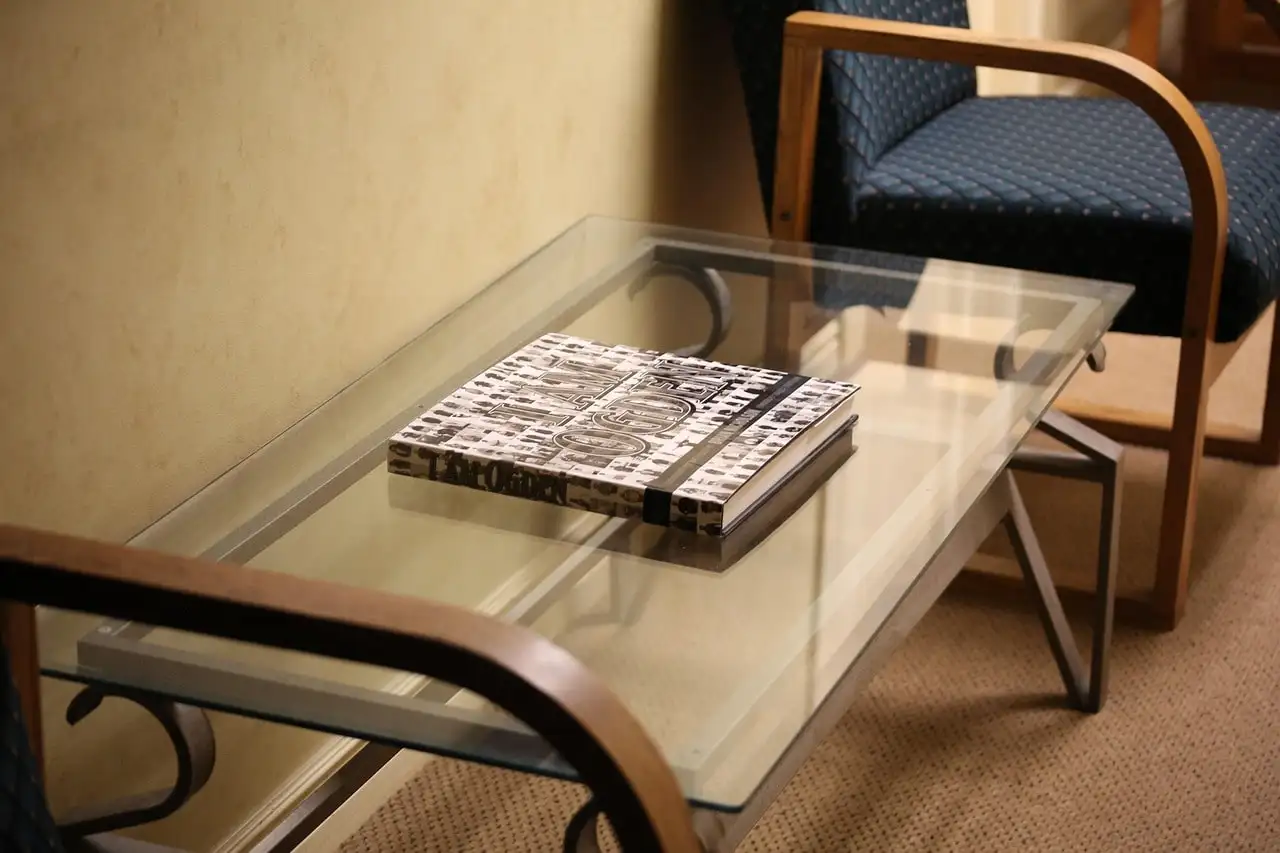
Glass furniture (think: glass-top tables, display cabinets with glass doors, large shelves, etc.) combines large, rigid sheets with supporting frames, often metal or wood, and sometimes fragile joinery. The risk profile:
- Edges chip more easily than the flat surface sees cracks; the edge is the weakest point.
- Vibrations and sudden jolts cause stress points.
- Temperature changes plus storage moisture can cause warping, glass movement or failure when the frame shifts.
- Disassembly is often required (removing glass panels, doors, supports) which creates small parts, hardware and complicates re-assembly.
If you treat it like generic furniture you’ll pay for it. The payoff for doing it well: minimal risk of breakage, lower replace/repair cost, better peace of mind—and that translates to your professional reputation (or in your case, the reputation of your agency if you’re managing logistics for clients).
2. Pre-Packing Checklist: Getting ready before you wrap
Before you start taping up bubble wrap, stop and prepare. These are the root-cause levers you must pull.
Inventory & condition documentation
- Photograph each piece from multiple angles (front, sides, glass surfaces, joinery).
- Note any existing chips, scratches, scuffs. If you don’t document now, you’ll have no baseline when you unload.
- Label each piece with a unique identifier (e.g., “Glass Top – Dining Table #1”, “Display Cabinet – Glass Doors #2”).
- Keep a written/typed list of dimensions, approximate weight, special features (sliding glass doors, drop-leaf panels). This matters when choosing packing materials or truck placement.
Disassembly plan
- Remove glass panels from their frames if possible (and safe). For example, a glass top of a table is better wrapped and transported separately.
- Remove any glass doors, shelves, side panels. Remove legs or frames if that reduces awkward dimensions.
- Keep all screws, bolts, brackets together in labelled bags attached to the piece or boxed carefully.
- For each removed component, label which piece it belongs to and what position. You’re setting up the future unpacking to be efficient and accurate.
Choosing the right materials and space
- Heavy-duty bubble wrap (large bubbles) for the initial major layer; then smaller bubbles or moving blankets for extra padding.
- Foam corner protectors / cardboard edge guards for glass edges and for corners of frames.
- Moving blankets to wrap large frames or glass surfaces that are already wrapped in bubble.
- Strong cardboard boxes or crates for glass panels (if boxed). Double-boxing is a good idea when the glass panel is large.
- Plastic wrap (cling film) or stretch film to hold layers of blanket or bubble wrap in place and to protect from moisture or dust.
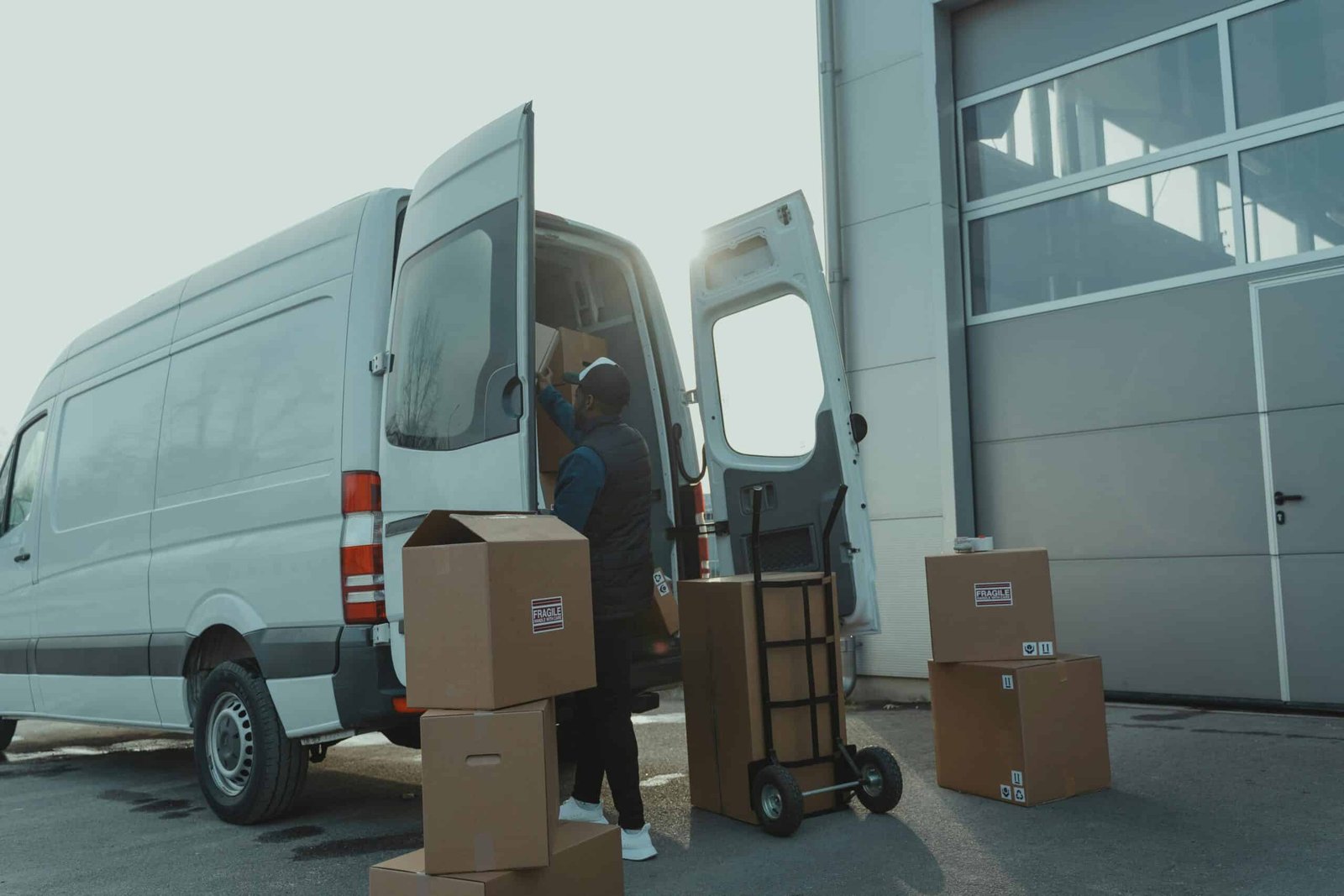
- Labels/markers: “FRAGILE — Glass”, “This Side Up”, “Do Not Stack On Top”.
- Choose a workspace clear of other clutter; wrap on flat surfaces; avoid stacking pieces until you’re ready to load.
Handling strategy
- Always move glass panels vertically whenever possible—not flat. This reduces the risk of flex and damage. (General principle for fragile items)
- Plan the route: from wrap station → truck → storage (or new home) without extra handling loops or bottlenecks. The fewer times you touch it, the better.
- Ensure multiple people are available if a piece is large/heavy; never assume one person can safely move a large glass-top table on their own.
3. Packing each piece: Step-by-step
Now let’s roll up the sleeves and get into execution.
Step A: Cleaning and preparing surfaces
- Clean glass surfaces gently so there’s no grit or residue under wrap that could scratch during transport.
- Dry thoroughly. Moisture trapped between layers can cause fogging or even damage over long-term storage.
- For frames, ensure no protruding screws, bolts or fasteners stick out. If there are sharp bits, tape over them so they don’t cut packaging.
Step B: Wrapping panels and glass surfaces
- Lay out a moving blanket (or large foam sheeting) on ground. Place the panel on top.
- Use foam edge guards around all edges.
- Wrap large-bubble wrap around the panel—cover both sides and edges. Ensure full cushioning.
- Add a second layer of foam or moving blanket.
- Secure with stretch film or plastic wrap so all layers stay tight.
- For glass tops, place them upright if transport allows, leaning slightly angled (but secure) rather than flat in the truck bed. Flat is riskier. A mover in a forum said this: “Mover here. I think your method sounds good! … keep the glass vertical and try to put the glass between mattresses/something soft or strap the side of the truck.”
- If you box the panel: choose a box just slightly larger than the wrapped panel. Fill all side gaps with crumpled paper or foam. Tape box well. For extra measure, double-boxing for very large/valuable pieces is wise.
Step C: Wrapping frames, cabinets and furniture units
- Remove glass doors/panels first so the unit is empty.
- Wrap doors and panels separately as above.
- For the frame: wrap with moving blankets, ensuring corners and legs are protected (they are the contact points).
- Secure blanket with stretch film.
- If the piece has glass doors built-in, treat the door glass like a panel: foam edge guards + bubble wrap + blanket.
- Stand furniture upright for transport unless the manufacturer direction says flat. If you must lay flat, ensure the glass surfaces are upright or fully supported, not resting on the glass.
Step D: Labeling and inventory
- On each wrapped/boxed piece apply big “Fragile – Glass” label.
- Specify orientation (e.g., “Glass top upright – this side up”).
- Add the item identifier that matches your inventory sheet.
- Note in your inventory sheet: packing date, location (truck/box number), description of piece.
4. Loading the truck or moving vehicle
Now you’ve wrapped; now you load—and this is where many damage events happen because of shifting loads.
- Prioritize placing heaviest and most stable items at the base of the truck. Glass pieces should not be buried or stacked under other heavy loads.
- If you can, keep glass furniture pieces as a group and load them last—so fewer items are moved after them and they can go in last (for first out).
- Ensure glass panels are not laid flat unless fully protected on both sides and supported—better upright with braces/padding.
- Use tie-down straps to keep large items from shifting. If a glass piece shifts and hits a corner of another item, that’s the fail point.
- For storage: check that the unit is level, dry, and with good airflow. Don’t stack heavy items on top of glass furniture boxes; if you must stack, use pallets or risers and ensure nothing presses on the box.
- If the move is long distance or through harsh weather: use climate-controlled transport or storage if possible—temperature extremes can stress glass and associated frames. Many professional movers note winter moves are riskier.
5. Storage: What to do when you’re not unpacking immediately
Okay, your glass furniture is packed and in storage. We’re not done—there’s still risk if you ignore storage best practices.
Climate & environment control
- Glass and frames can expand/contract with temperature. If you store in a garage or uninsulated building, temperature swings can cause stress.
- Humidity is also a danger: moisture can seep under packaging, rust metal frames or cause mold on upholstered parts attached to the furniture.
- If possible choose climate-controlled storage unit or facility with consistent moderate temperature and low humidity.
Positioning and stacking in storage
- Place glass furniture units upright against a wall if possible, not flat on the floor.
- Place protective pieces (glass panels) in a vertical rack or leaning with padding, not stacked horizontally.
- Avoid heavy objects on top of boxes that contain glass furniture.
- Leave a little space for air circulation so condensation doesn’t build up.
- Consider placing silica gel packs or de-humidity packs near sensitive pieces in the box to reduce moisture build-up.
Access and tracking
- Keep an access aisle; you’ll want to reach your glass items without having to move a dozen boxes.
- Maintain your inventory sheet with storage location (unit #, zone, rack number).
- If there’s long-term storage (6 months or more), consider checking the condition every few months — collect to ensure there’s no damage, shifting, moisture ingress.
6. Unpacking & reassembly: Getting it back to use
You’ve arrived at the destination (new home or back from storage). Time to unpack with the same care you used to pack.
Before unpacking
- Move all boxes and wrapped pieces into the room they will end up in—or at least bring them indoors and let them acclimatize for a few hours (especially if they were stored in cold/hot climates). Glass and frame materials adjust; installing immediately in drastically different environment may cause stress.
- Examine each item with your photo-inventory to compare condition. Note any new damage (hopefully none).
- Have all hardware bags and labels in one spot—this keeps reassembly efficient.
Unwrapping and assembly
- Unwrap in the reverse order of wrap: remove stretch film, blankets, bubble wrap, then foam guards.
- Set the glass panel aside on a padded surface until its frame is ready.
- For frames/cabinets: assemble the base unit, level it, adjust feet. Then install glass panels or doors last.
- Use proper hardware—replace any missing screw or bracket; compromised hardware is a common cause of shifts and future damage.
- Clean the glass surface gently; check for wobbles or misalignment. For example, a display cabinet with sliding glass doors needs to have tracks cleared and panels properly seated.
- Label any pieces with follow-up instructions (“Don’t lean heavy objects on this shelf”, “Keep glass panel supported”) so your unpacking retains the structural integrity.
Final check
- After setting up furniture, test gently: open/close doors, slide shelves, check for frame wobble.
- Ensure items placed upon or around the glass furniture don’t cause load stress (e.g., avoid stacking heavy boxes on top of glass display).
- For high-value pieces, take final photos and enter into whichever asset/inventory system you maintain.
7. Special scenarios & advanced insights
To really differentiate you (and your agency) from the average, you need to understand non-routine scenarios and apply advanced insights.
Long-distance moves & transport via shipping
- If your move involves freight, sea, rail or multiple handling points: crate large glass panels in wooden crates (not just cardboard). Double-crate, use internal supports.
- For overseas or cross-country: moisture and humidity control matter more — include desiccants, consider sealed film wraps.
- Document each stage with photographs and notes—this helps in insurance claims if something goes wrong.
Winter or temperature-extreme moves
- Glass is more brittle in very low temperatures; the frame (wood or metal) can contract differently and stress attachments. One mover pointed out extra insulation is essential.
- Avoid loading directly during snowfall, ice or wet conditions. Moisture can get trapped in wrap and then freeze, increasing risk.
- Use insulated blankets and plastic wrap on top of standard layers. For storage, ensure the unit is not simply cold but also shielded from condensation.
Irregular shapes, custom furniture, antique glass
- Curved glass tops, bevelled edges, glass furniture with unique joinery require custom crating or foam inserts. The standard bubble-wrap approach may fail edges or stress points.
- For antiques: check original hardware, brittle frames, attachments. For example, older adhesives or frames may not tolerate typical movement stresses. Using museum-grade handling protocols is smart.
- If the piece is extraordinarily valuable, consider personal transport (you ride along) or hiring a specialist white-glove service with climate-controlled vehicle and solo load.
8. Mistakes I’ve seen and how to avoid them
Here’s where most people screw up. I’m calling them out so you don’t repeat.
- Mistake: Placing glass panels flat on the truck floor under other items. Fix: Always upright or extremely well-protected.
- Mistake: Wrapping singular layer bubble wrap, then tossing the unit in storage. Fix: Multi-layer approach + blankets + stretch film + climate-controlled unit if storing long term.
- Mistake: Failing to disassemble removable parts; then hardware is lost, reassembly fails. Fix: Label everything, bag hardware, create inventory.
- Mistake: Loading glass furniture early and placing other loads on top. Fix: Load it last, unload it first, treat it as priority.
- Mistake: Ignoring changing conditions (humidity/temp) in storage period. Fix: Monitor, control climate, check periodically.
- Mistake: Unpacking and installing too soon after storage or transport without letting things acclimate. Fix: Let items rest for few hours in their final space if environmental conditions changed.
9. Conclusion & action plan
Let’s end with a short action plan you can start today:
- Create your item list of all glass furniture you are handling for this move/storage.
- Order/pick up the protective materials: bubble wrap (large and small), foam edge guards, moving blankets, stretch film, heavy-duty boxes or crates.
- Set up a wrap station: one room or area cleared, flat surface, enough space to maneuver.
- Document every piece in photo/inventory. Label each part.
- Disassemble where required. Bag and label hardware.
- Wrap and pack each piece with the multi-layer method. Box or crate large panels.
- Plan loading: Determine truck layout; glass moves last; tie-down straps; minimal stacking.
- Move to storage or new site. If storage, select climate-controlled and position upright.
- When unpacking: let items acclimate, inspect condition, assemble with care.
- Review your process and log any incidents. Use that data to refine your next move.
If you execute all these steps, you’ll dramatically reduce risk of damage and deliver professional-level outcomes. Your clients (or if it’s your own assets) will thank you (and you’ll save money, time and headaches).