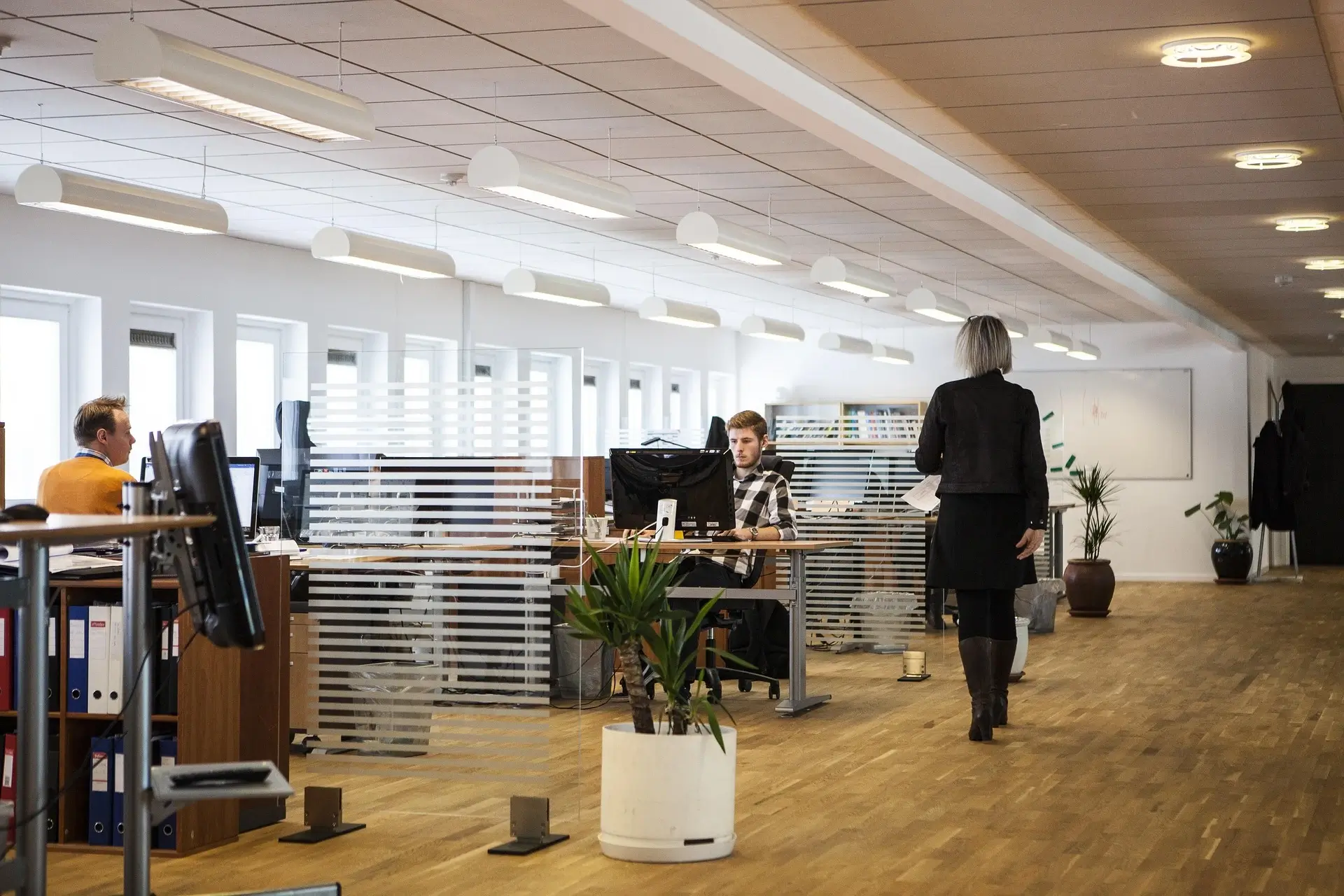

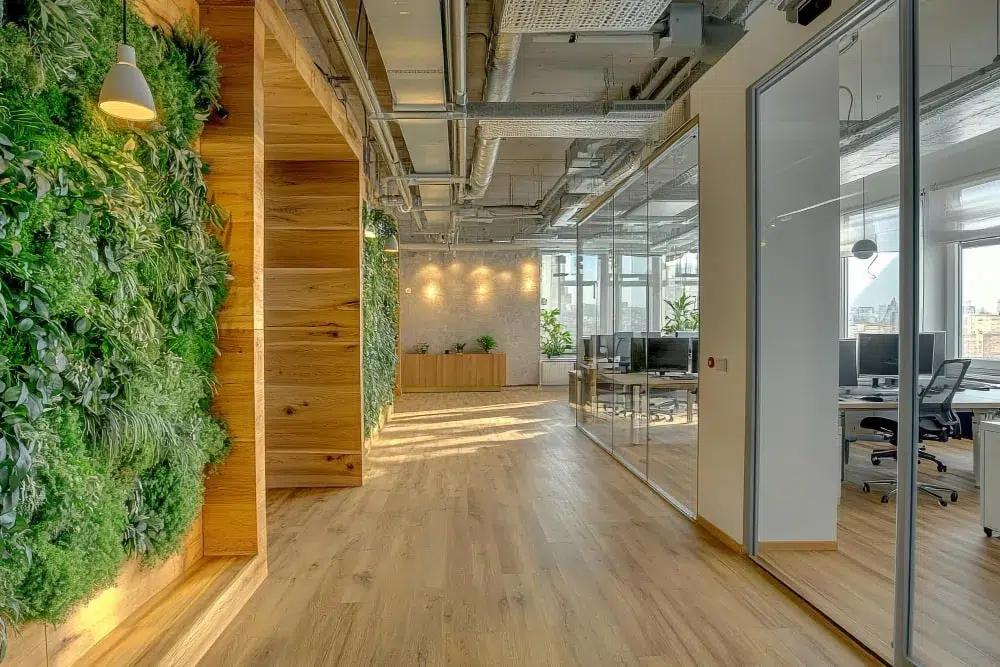
The modern workplace has evolved faster in the last few years than it did in the previous decade. Companies rethinking how employees collaborate, concentrate, and communicate are finally acknowledging a truth many professionals have known for years: open offices aren’t designed for human productivity.
That’s where office pods, sometimes called privacy pods or acoustic pods, have stepped in as a practical, flexible, and cost-effective solution. They don’t just look sleek—they solve real, everyday workplace problems.
If you’re exploring them for your office, coworking space, or home workspace, this guide will give you everything you need to make an informed decision. This isn’t a high-level fluff article; you’ll get the real considerations buyers and designers look at, along with insights from hands-on industry experience.
What Exactly Are Office Pods?
At their core, office pods are self-contained, enclosed spaces designed to create privacy inside an otherwise open environment. Think of them as mini-rooms that require no construction, no permits, and can be installed almost anywhere.
Most pods are built with:
- Acoustic panels to absorb sound
- Tempered glass to maintain visibility while keeping noise out
- Ventilation systems for airflow
- Integrated lighting
- Power outlets and USB ports
- Ergonomic desks or seating, depending on the pod type
They are essentially “plug-and-play rooms.” Delivery, installation, done.
Why Office Pods Became So Popular
Before the rise of hybrid work, open-plan offices had already earned a reputation for being distracting and noisy. But the return-to-office era accelerated interest in pods dramatically.
Here’s why companies now love them:
1. They Solve Noise Problems Without Renovation
Renovating an office to add conference rooms or meeting spaces is expensive, slow, and disruptive. Pods give you ready-made private spaces anywhere you need them.
2. They Support Hybrid and Remote Collaboration
As virtual meetings became the default, offices needed more:
- Video-friendly spaces
- Quiet environments
- Acoustically treated zones
Pods offer a professional, contained area for Zoom, Teams, or client calls.
3. They Are Cheaper Than Building Rooms
Constructing new rooms can cost 5–7x more than buying pods, not to mention the hidden costs of permits, downtime, and contractor delays.
4. They Add Flexibility to Floor Plans
Companies move. Teams grow. Layouts change. Pods can:
- Be relocated
- Be added over time
- Fit into awkward corners
- Move to a new office without waste
That kind of adaptability is priceless for fast-growing businesses.
5. Employees Actually Use Them
Pods are popular because they work.
People feel comfortable stepping inside one for:
- Deep work
- Quick calls
- Focused brainstorming
- One-on-one discussions
They become high-demand assets from the moment they’re installed.
Types of Office Pods (And What Each One Is Really Good For)
Not all pods are created equal. Different businesses need different pod types, and choosing the wrong one may limit usage.
Here’s a breakdown.
1. Phone Booth Pods
These are the most common entry-level pods.
Designed for:
- Private phone calls
- Video meetings
- Quick conversations
Typical features:
- Small footprint
- Standing desk or leaning stool
- Excellent acoustic insulation
Who needs them?
Any open office where people constantly step outside to take calls—especially sales and client-facing teams.
2. Single-Person Focus Pods
Perfect for heads-down work.
These pods are slightly larger than phone booths and include space for:
- A full desk setup
- A chair
- Task lighting
- Laptop and accessory space
Use cases:
- Writers
- Designers
- Analysts
- Developers
Anyone who struggles with open-office distractions.
3. Two-Person or Four-Person Meeting Pods
Designed for collaboration.
These pods typically include:
- Benches
- Meeting table
- Sound-absorbing walls
- Power and lighting controls
Common uses:
- Small team meetings
- Project collaborations
- HR interviews
- Virtual client calls
These pods are the sweet spot for coworking spaces and mid-size companies who need multiple small meeting areas.
4. Large Conference Pods
These are the heavy hitters—essentially conference rooms without construction.
They comfortably fit:
- 6 to 10 people
- Full meeting furniture
- AV setups
They’re ideal for:
- Strategy sessions
- Executive meetings
- Client presentations
This is the closest you get to creating a “room” without building one.
5. Modular Work Pods
These are premium setups that allow businesses to expand the pod size using modular panels.
Advantages:
- Fully customizable
- Flexible dimensions
- Can integrate whiteboards, glass panels, or branding elements
Great for companies with unique space constraints or specific design goals.
Key Benefits of Office Pods That Most People Don’t Talk About
Beyond the obvious noise reduction, there are deeper benefits companies experience once pods are installed.
1. Improved Employee Autonomy
Employees no longer need to “book rooms” for minor tasks—they simply walk into an available pod. This significantly reduces waiting and scheduling conflicts.
2. Increased Workplace Satisfaction
A workspace that respects privacy and focus signals respect for employees’ time and work quality. This translates directly into higher satisfaction and lower burnout.
3. Reduced Meeting Culture
Because pods create effortless access to small spaces, many quick chats happen informally inside them—reducing the number of formal meetings.
4. More Sustainable Workplace Planning
Pods are far more sustainable than demolition and reconstruction.
Most are:
- Built with recyclable materials
- Energy-efficient
- Reusable for years
A good pod outlasts most office leases.
5. Better Use of Underutilized Spaces
Every office has awkward corners—unused hallways, oversized waiting areas, or oversized open zones. Pods transform these dead zones into productive, high-value spaces.
Are Office Pods Soundproof? Here’s the Honest Answer.
A misconception is that pods are fully soundproof. No pod on the market is 100% soundproof.
But high-quality pods are sound-isolating enough that:
- People outside can’t hear your words
- Video calls feel private
- Internal noise is significantly reduced
Good pods typically achieve around 30–35 dB of sound reduction, which is more than enough for privacy and professionalism.
What About Air Quality and Ventilation?
Good pods always include:
- Active ventilation systems
- Continuous airflow
- Motion-activated fans
This ensures:
- Fresh air
- Comfortable working conditions
- No “stuffiness” even during long meetings
Avoid pods that rely only on passive vents—they aren’t suitable for more than a few minutes of use.
How Much Do Office Pods Cost?
Costs vary widely based on:
- Size
- Materials
- Acoustic rating
- Ventilation system
- Customization options
Typical ranges:
- Phone booth pods: mid-range pricing
- Focus pods: moderate to premium
- 2–4 person pods: higher tier
- Conference pods: premium
While they are an investment, most companies recover the cost within months through:
- Reduced distraction
- Increased productivity
- Reduced need for leased square footage
Design Considerations for Buyers
After seeing countless offices install pods, here are the most important things people overlook:
1. Location Matters
Pods work best when placed:
- Near team clusters
- Along walls
- Near natural light
- In quiet but accessible zones
Avoid sticking pods in noisy high-traffic areas unless specifically intended for calls.
2. Spacing Requirements
Pods need slight clearance around them for ventilation and maintenance. Always check the manufacturer’s recommended spacing.
3. Lighting Strategy
Good lighting inside the pod is essential for ensuring users feel comfortable and not boxed in.
4. Accessibility
Ensure at least one pod size is accessible for mobility aids if your environment requires it.
Office Pods vs. Meeting Rooms: Which Do You Actually Need?
Meeting rooms still have their place.
If you’re deciding between pods and rooms, here’s the bottom-line difference:
| Office Pods | Meeting Rooms |
|---|---|
| Fast installation | Slow, construction-heavy |
| No permits needed | Permits required |
| Moveable and modular | Permanent |
| Lower cost | Higher cost |
| Can be added gradually | Must be built upfront |
Many businesses now use a hybrid approach:
- Use pods for calls, focused work, small meetings
- Reserve meeting rooms for larger or high-stakes sessions
Who Should Invest in Office Pods?
Based on what I’ve seen in different industries, pods are ideal for:
✔ Coworking Spaces
Pods reduce noise complaints and increase membership satisfaction.
✔ Creative Agencies
Team members need both collaboration and deep-focus time.
✔ Tech Companies
Developers, designers, and analysts thrive in quiet pods.
✔ Sales & Customer Service Teams
Calls become private and professional instantly.
✔ Hybrid and Remote Work Teams
Pods make video meetings seamless.
✔ Home Offices
Larger pods or small phone pods can dramatically improve productivity at home.
Common Mistakes When Buying Office Pods
Learn from others’ expensive mistakes:
❌ Buying the cheapest option
Low-cost pods often lack:
- Adequate ventilation
- Effective sound isolation
- Durable materials
This leads to replacements within a year.
❌ Underestimating demand
People use pods more than expected. Start with more pods if your team is growing.
❌ Ignoring acoustics inside the room
A pod with hard surfaces inside creates echo on calls. Look for ones with acoustic paneling.
❌ Not testing the door mechanism
Cheap hinges or seals ruin the user experience and reduce acoustic performance.
❌ Overcrowding the office layout
Balance accessibility with flow—pods should feel inviting, not cramped.
How to Maintain Office Pods
Good pods require minimal upkeep:
- Vacuum inside weekly
- Clean glass panels with non-abrasive cleaners
- Check ventilation filters periodically
- Tighten door hinges if needed
Because pods are modular, individual parts can be replaced without dismantling the entire structure.
Future Trends: Where Office Pods Are Headed
Office pods aren’t a fad—they’re becoming a foundational part of workplace design.
Here’s what’s emerging:
1. Smart Pods
Sensors controlling:
- Lighting
- Airflow
- Occupancy tracking
2. Biophilic Pod Designs
Pods with integrated greenery or natural materials to improve well-being.
3. Larger Modular Work Suites
Pods forming multi-room configurations for expanding teams.
4. Advanced Acoustic Engineering
Even quieter interiors to meet rising virtual meeting demands.