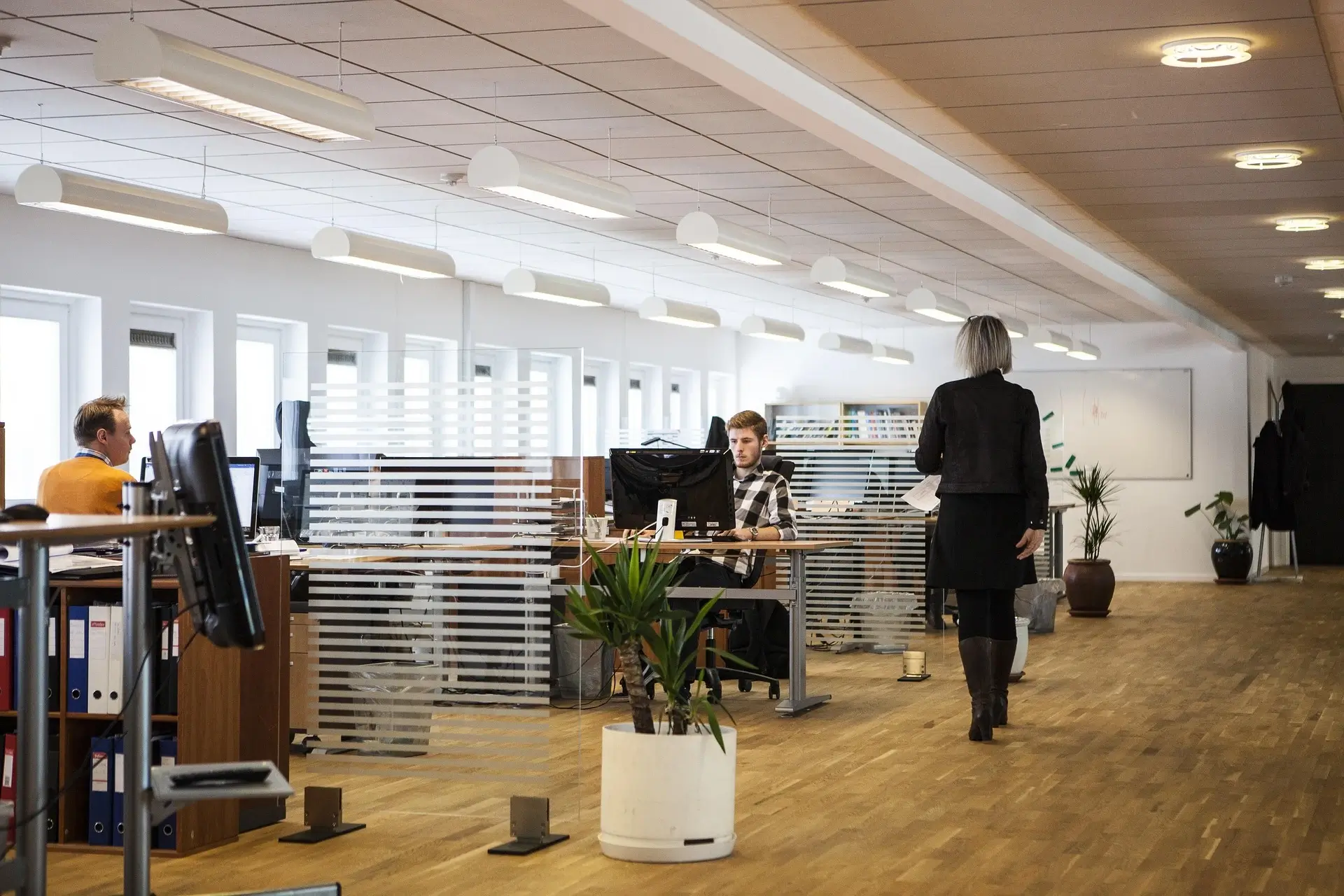

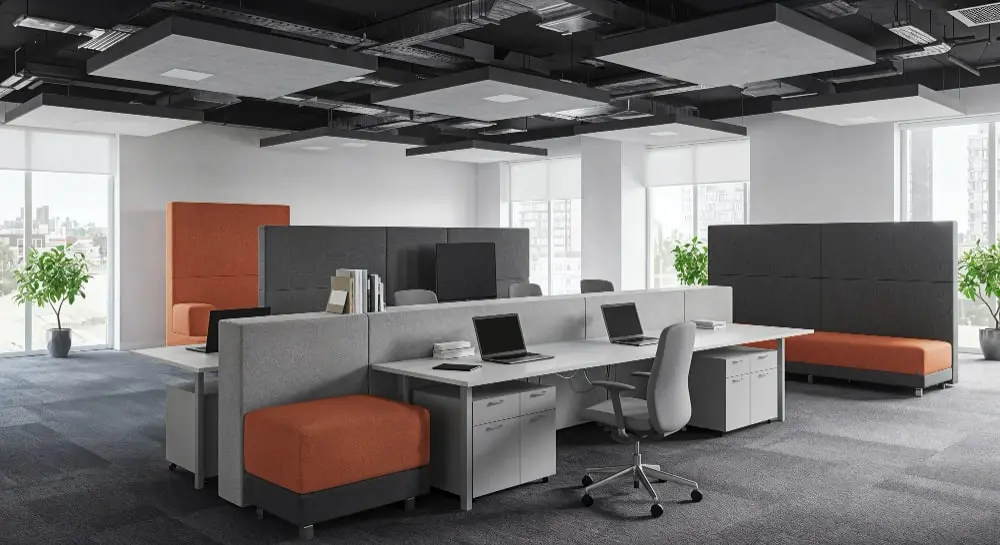
In the last decade, few areas of workplace strategy have evolved as drastically as office furniture. What was once simple—desks arranged in a row, cubicles partitioned neatly—has now become a multi-layered conversation about adaptability, hybrid work, employee well-being, and space optimization.
One trend sits at the heart of all of this: modular office furniture.
And its rise isn’t accidental—it’s the direct response to how fast work environments must adapt today.
As someone who has seen office environments transition through open-plan fads, cubicle revivals, hot-desking phases, and now hybrid ecosystems, one thing is clear: static office setups no longer make sense. Modular furniture solves more problems than traditional furniture ever could—and businesses are catching on at record speed.
What Exactly Is Modular Office Furniture?
Modular furniture is built from interchangeable, reconfigurable components that can be expanded, rearranged, or downsized as needed. Instead of committing to a fixed desk system or immovable partitions, companies invest in pieces designed to evolve with them.
Common modular elements include:
- Reconfigurable workstations
- Flexible storage units
- Mobile partitions and acoustic panels
- Modular seating and lounge clusters
- Height-adjustable desks
- Collaborative pods and meeting booths
Think of modular furniture as “office building blocks”—adaptable, durable, and always ready for what’s next.
Why Modular Furniture Has Become a Business Essential
1. Hybrid Work Has Made Flexibility Non-Negotiable
Hybrid work patterns have fundamentally changed how companies plan their spaces. One day the office needs 30 seats; the next it needs 70 because multiple teams decided to collaborate in person.
Traditional fixed furniture fails this test. Modular setups thrive in it.
Teams can easily:
- Shift from individual work zones to collaboration areas
- Expand or shrink clusters of desks based on attendance
- Rearrange spaces for workshops, client visits, or training days
In environments where unpredictability is the new normal, flexibility becomes a competitive advantage.
2. Modular Systems Reduce Long-Term Costs
Many businesses initially assume modular furniture is expensive—but the long-term math tells a different story.
Here’s where modular designs provide cost savings:
- No need for frequent replacements when your team grows or restructures
- Lower installation and reconfiguration expenses
- Reduced renovation costs because layouts can be updated without construction
- Longer product lifecycles thanks to upgradeable components
Most traditional desks and partitions are static—you buy them, and if they no longer fit your needs, you replace them. Modular office furniture replaces this wasteful cycle with a sustainable, scalable alternative.
3. Better Use of Square Footage (Every Square Meter Matters)
Real estate remains one of the biggest business expenses. Companies today prioritize maximizing space efficiency, ensuring every square meter contributes to productivity.
Modular layouts support:
- Multi-purpose zones
- Transformable meeting spaces
- Mobile furniture that opens space when needed
- Areas that shift from collaboration to focused work in minutes
In high-rent cities, this alone can justify the investment.
4. Increased Employee Comfort and Well-Being
Modular systems blend personalization with ergonomic design—something traditional office setups rarely achieve.
Employees can:
- Adjust desk heights
- Reconfigure seating based on work styles
- Control their environment with acoustic and privacy panels
- Move between collaborative and focus areas easily
This autonomy is linked with better mood, higher engagement, and lower burnout.
A workplace that adapts to people—rather than forcing people to adapt to it—creates healthier teams.
5. Future-Proofing the Workplace
A decade ago, no one predicted hybrid work. Today, companies are preparing for whatever comes next.
Modular furniture aligns with long-term planning because it’s:
- Expandable
- Reconfigurable
- Upgradable
- Compatible with new layouts and technologies
Companies no longer want static environments—they want workplaces that can evolve without incurring heavy renovation costs or downtime.
Deeper Look: Key Benefits of Modular Office Furniture
1. Scalability: Grow Without the Growing Pains
Business growth often brings logistical headaches. With modular furniture, scaling becomes smoother.
You can:
- Add more desks without redesigning entire departments
- Extend existing benching systems
- Attach new storage or privacy units as teams expand
- Support new roles or departments with minimal disruption
This is especially useful in rapidly growing industries like tech, consulting, or creative agencies.
2. Versatility: One Space, Multiple Functions
Modern offices serve multiple purposes—collaboration, focused work, social interaction, training sessions, creative brainstorming, client meetings.
Modular furniture helps achieve:
- Team collaboration zones that convert to seminar space
- Quiet focus areas that expand with movable screens
- Breakout lounges that shift into event seating
- Desk clusters that rearrange for project-based work
This versatility means you’re never locked into one use-case.
3. Better Aesthetics Without Sacrificing Functionality
Modular design has matured significantly. It’s not just functional—it’s beautiful.
Current trends include:
- Soft modular seating in organic shapes
- Wood-metal hybrid workstations
- Snap-on acoustic panels with fabric textures
- Color-coordinated storage blocks
- Fluid benching setups with minimal wiring visibility
When done well, modular offices feel modern, clean, and human-centered.
4. Technological Integration (A Quiet Revolution)
Most modern modular systems are designed with technology in mind.
Features often include:
- Built-in cable management
- Under-desk power distribution
- Movable power modules
- Integrated charging points
- Screens or mounts for collaborative tasks
Technology-ready spaces boost productivity and eliminate the cluttered look traditional desks often create.
5. Sustainability: A Growing Priority for Businesses
Modular furniture is inherently sustainable due to:
- Longer product lifespans
- Lower replacement rates
- Reusable components
- Minimal waste during reconfiguration
- Reduced construction work during updates
More companies are also choosing recyclable materials, low-VOC finishes, and environmentally responsible designs. Sustainability isn’t just a trend—it’s now a procurement requirement for many organizations.
How Modular Office Furniture Enhances Different Workspace Zones
1. Individual Workstations
Modular desks support:
- Sit-stand flexibility
- Snap-on privacy screens
- Expandable extensions
- Adjustable storage units
Employees can create their own comfort-focused setups without disrupting uniformity.
2. Collaboration Areas
Modular seating, rolling whiteboards, mobile tables, and reconfigurable partitions make it effortless to create collaboration zones that don’t interfere with focused work areas.
For example:
- A brainstorming area in the morning
- A project review zone in the afternoon
- A training room arrangement in the evening
All with minimal effort.
3. Meeting Rooms
Traditional meeting rooms are notoriously underused or misused. Modular systems fix this with:
- Movable meeting pods
- Expandable table systems
- Stackable seating
- Easily adjustable privacy panels
Suddenly, a single room can support quick stand-ups, formal presentations, or hybrid meetings—all in one day.
4. Lounge and Breakout Spaces
Modern breakout areas are no longer just sofas and coffee tables.
Modular lounge furniture supports:
- Informal meetings
- Creative brainstorming
- Relaxation zones
- Social interactions
- Guest reception seating
It encourages movement and boosts overall workplace energy.
5. Storage Solutions
Modular storage offers:
- Mobile cabinets
- Configurable shelving
- Stackable lockers
- Expandable filing systems
Unlike traditional bulky storage, modular systems grow with the business.
Real-World Insight: The Biggest Mistake Companies Make
Most companies who adopt modular furniture do so for flexibility—but fail to plan for future scalability.
A strong modular strategy should consider:
- Team growth forecasts
- Hybrid scheduling patterns
- Technology upgrades
- Employee behaviors
- Cross-department collaboration needs
Modular furniture only reaches its full potential when combined with thoughtful space planning. It’s not about buying pieces—it’s about building an adaptable ecosystem.
How to Choose the Right Modular Furniture for Your Workplace
Here’s a framework I often recommend when advising businesses:
1. Start with a Space Audit
Observe how your teams work—not how you think they work.
Questions to ask:
- Do teams collaborate frequently?
- How often do employees shift between tasks?
- What times of day/days of the week see the most movement?
- Are meeting rooms underutilized?
- Do employees crave more privacy or openness?
The furniture must align with behavior.
2. Prioritize Multi-Functional Pieces
Choose modular items that serve at least two purposes:
- Benching that doubles as solo desks
- Lounge furniture that converts into collaboration seating
- Rolling units that serve as storage and room dividers
Efficiency increases when pieces perform multiple roles.
3. Look for Durability and Upgradeability
Modular furniture should:
- Allow add-ons
- Support future accessories
- Be built from long-lasting materials
- Fit both current and future layouts
Think of it as a long-term investment.
4. Ensure Tech Compatibility
A future-ready workspace must support:
- Hybrid meeting tools
- Cable-clean workstations
- Power access in all zones
- Digital collaboration screens
Modular setups with built-in tech channels simplify this significantly.
5. Focus on Aesthetic Consistency
Modular pieces should work together visually—mixing too many styles or finishes leads to a cluttered look.
Aim for:
- Cohesive colors
- Unified material textures
- Scalable design language
A modular workspace should feel harmonious, not improvised.
Why Modular Furniture Will Dominate the Next Decade
In the past, offices were built around permanence.
Now they’re built around motion.
Companies can restructure overnight. Teams can double in size. Entire departments can shift to hybrid. New technologies emerge every quarter.
Workplaces that cannot keep up fall behind—both in efficiency and talent retention.
Modular office furniture isn’t just a design trend—it’s a strategic tool.
It supports agility, sustainability, employee well-being, and long-term financial efficiency.
And as businesses rethink their physical spaces, modularity will not just be preferred—it will be expected.