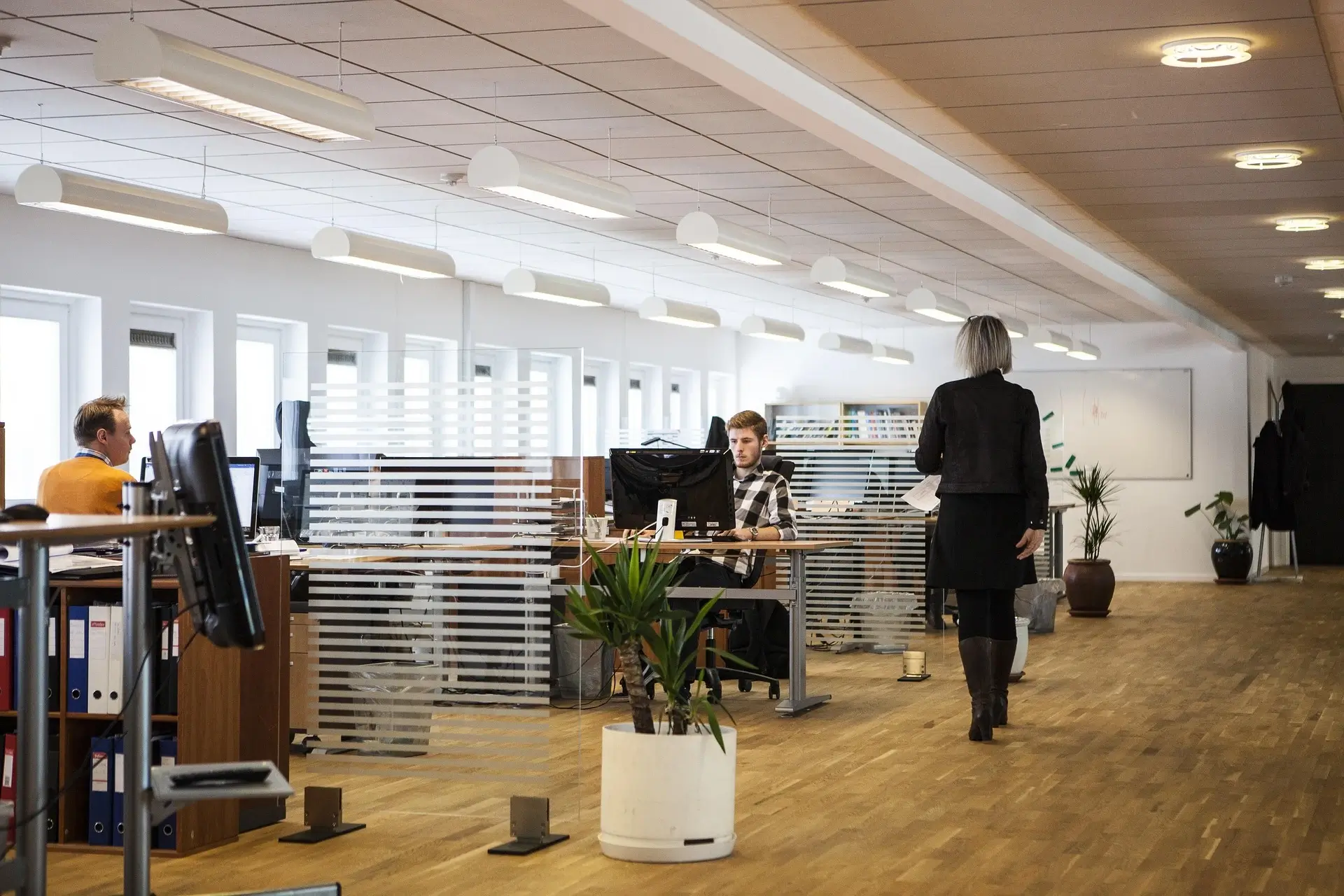

Over the years, workspace design has evolved from static cubicles to dynamic, user-centric environments. One trend, however, has become unmistakably clear: the most productive, healthiest, and future-proof workspaces don’t rely solely on modularity or solely on ergonomics — they merge both into a cohesive system.
This article walks you through why this combination is essential, how to make it work, and what details truly matter during the planning and implementation stages. The goal is simple: help you build a workspace that doesn’t just look good, but actually performs.
Why Modular + Ergonomic Furniture Is the New Gold Standard
Modular furniture has reshaped the way organizations think about space. Instead of forcing teams to adapt to rigid layouts, modular systems allow the workspace itself to adapt — fluidly, repeatedly, and cost-effectively.
Here’s why modular design has become indispensable:
1. Adaptability on Demand
Workflows evolve. Teams expand. Hybrid schedules fluctuate. Modular systems ensure that your environment can shift with these changes — seamlessly. Rearranging desks, adding collaborative zones, or converting a meeting nook into a focused workstation becomes quick and effortless.
2. Multi-Functional Efficiency
Today’s office footprint must do more with less. Modular pieces can double or triple their value — a storage wall that becomes a room divider, a bench that folds into a collaborative table, or mobile shelves that transform a space in seconds.
3. Long-Term Cost Value
Instead of replacing entire furniture sets every time priorities shift, modules can be reconfigured or supplemented. This reduces waste, minimizes downtime, and ensures your investment scales with future needs rather than fighting against them.
4. Aesthetic Flexibility
Branding evolves. Teams change. Work culture matures. Modular pieces allow for easy visual refreshes without major disruptions, making them ideal for organizations that value a consistent but upgradable visual identity.
Ergonomic Furniture: The Foundation of a Healthy, High-Performance Workspace
While modular furniture shapes the workspace, ergonomic furniture shapes the human experience within it. No amount of flexibility or clever layout matters if the people using the space are uncomfortable, strained, or fatigued.
True ergonomics is not about buying a “good chair.” It’s a comprehensive approach that protects health, focuses attention, and elevates daily performance.
1. Preventing Discomfort Before It Starts
The majority of workplace discomfort — from back tension to neck stiffness — stems from poor posture and improper workstation setup. Ergonomic designs correct these issues by supporting natural alignment and balanced posture.
2. Enhancing Focus & Mental Sharpness
Comfort isn’t a luxury; it’s a productivity multiplier. When a worker isn’t distracted by discomfort, they enter deeper focus faster and stay there longer.
3. Encouraging Healthy Movement
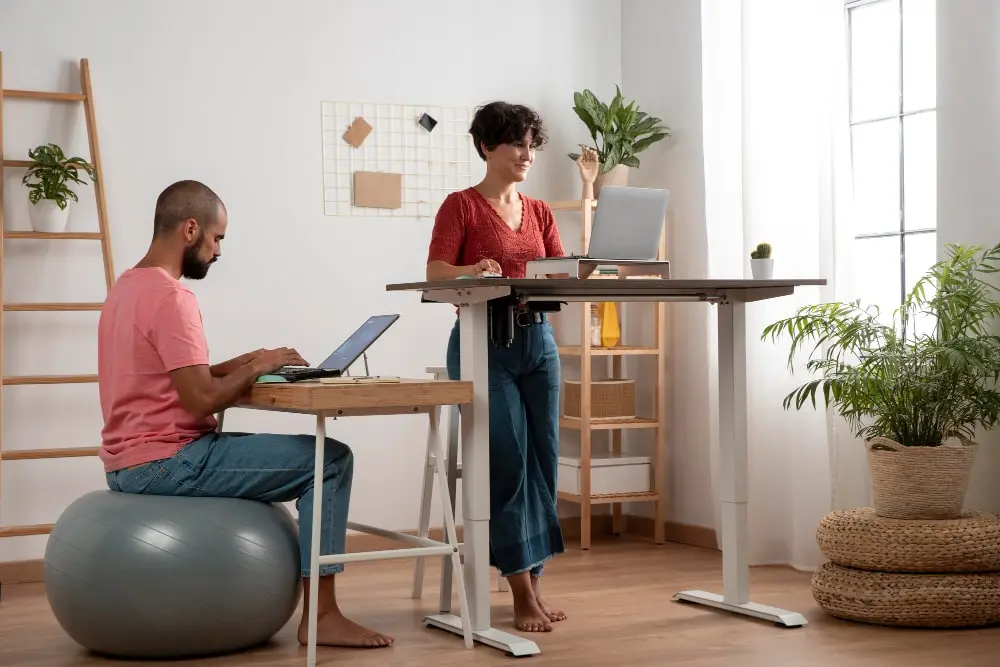
Human bodies aren’t meant for static positions. Adjustable chairs, properly positioned screens, and sit-stand desks foster micro-movements and postural variation — essential for long-term circulation and spinal health.
4. Supporting Diverse Users
Every person has different body proportions and comfort needs. Fully adjustable ergonomic furniture ensures inclusivity, comfort, and consistency, regardless of who uses the workspace.
The Power Duo: Why These Two Approaches Must Work Together
Modular furniture gives your workspace flexibility, but ergonomic furniture gives it function. When strategically combined, the result is a space that is not only adaptable but also inherently comfortable and supportive.
Here’s what happens when modular and ergonomic design work in harmony:
1. Flexible Layouts That Never Compromise Comfort
Whether a desk is reconfigured for teamwork or solo focus, ergonomic features ensure every setup maintains ideal posture and healthy positioning.
2. Scalable Growth Without Occupational Strain
As teams grow or layouts shift, ergonomically optimized modules adapt without forcing workers into uncomfortable, improvised setups.
3. Hybrid-Ready Work Environments
Hybrid schedules demand spaces that can transition between occupancy levels and work styles — without sacrificing ergonomics on busy days or wasting space on quieter ones.
4. A More Motivated and Energized Workforce
A workspace that respects both physical health and workflow efficiency boosts morale, reduces fatigue, and elevates the entire workplace culture.
What to Look for When Choosing Modular & Ergonomic Furniture
After working with hundreds of workspace configurations, these are the qualities and features that truly matter — the ones that affect everyday performance and long-term usability.
Modular Furniture Checklist
✔ Reconfigurable Components
Desks, storage, shelves, and partitions should move effortlessly — ideally without tools.
✔ Height-Adjustable Surfaces
Not just for ergonomics; adjustable surfaces support different tasks and team activities.
✔ Mobile Units
Rolling storage, movable partitions, and lightweight modular pieces dramatically increase layout versatility.
✔ Dual-Purpose Modules
Look for pieces that compress functions: storage that doubles as seating, partitions that double as whiteboards, etc.
✔ Durability + Easy Maintenance
Modular setups are handled frequently; construction must withstand reconfiguration without degrading.
Ergonomic Furniture Checklist
✔ Highly Adjustable Chairs
Look for features like adjustable lumbar support, tilt tension, seat height, seat depth, and armrest adjustability.
✔ Appropriate Desk Height (Fixed or Sit-Stand)
Arm angles should remain neutral; shoulders relaxed; screens neck-level.
✔ Monitor Positioning
Use risers, arms, or adjustable screens to maintain eye-level viewing and prevent neck flexion.
✔ Breathable, Supportive Materials
Mesh, breathable upholstery, high-density foam, and stable frame construction ensure long-term comfort.
✔ Supports Natural Movement
Ergonomics must encourage small posture adjustments, shifting weight, and alternating between sitting and standing.
How to Combine Modular & Ergonomic Furniture: A Practical Implementation Strategy
These steps come from real-world experience designing and refining modern workspaces:
1. Study How the Space Is Actually Used
Observe patterns: where people collaborate, where they focus, where clutter forms, where bottlenecks exist. The best layouts are shaped by reality — not architectural drawings.
2. Define Core Activities for Each Zone
Focus zones, meeting zones, creative zones, social zones — each requires different ergonomic considerations and different modular configurations.
3. Build the Space Around Adaptable “Core Units”
Start with modular desks, adaptable partitions, and mobile storage. These anchor points give you maximum freedom for future adjustments.
4. Layer in Ergonomics Strategically
Optimize chairs, desk heights, monitor positioning, and lighting. Think of ergonomics as the layer that makes every zone perform better.
5. Plan for Movement — Not Just Furniture
Good workspace design creates flow: pathways, breathing space, and the ability to transition from one work mode to another without friction.
6. Encourage Proper Ergonomic Use
The best furniture fails when used incorrectly. Guide teams to adjust chairs, change postures, and set up their workstations properly.
7. Reassess Periodically
A workspace isn’t static. Review comfort levels, traffic patterns, and team needs every 6–12 months and adjust the modular configuration accordingly.
Common Mistakes to Avoid
Even well-meaning projects can go wrong. Here are the traps you want to avoid:
- Relying on a “good chair” and calling it ergonomic
Ergonomics is a system: posture, desk height, screen positioning, movement. - Over-designing with fixed pieces
Static layouts quickly become outdated and restrictive. - Choosing aesthetics over performance
A beautiful chair that causes back pain is not an asset. - Forgetting about circulation space and movement
Furniture should support natural transitions — not block them. - Assuming workers will automatically adjust their furniture
Training and reminders matter.
The Real-World Outcome: What You Gain by Integrating Modular and Ergonomic Design
Organizations that embrace this combined approach consistently see meaningful improvements:
- More energized, focused teams
- Reduced fatigue and long-term strain
- Better space utilization
- More seamless hybrid workflows
- Higher employee satisfaction and retention
- A workspace that evolves with the organization, not against it
Simply put: modular furniture shapes the environment; ergonomic furniture shapes the user experience — together, they create the modern high-performance workspace.